Bodies fitted to a new planet, while the path home narrows
2180The deep futureDeadline · Decision deadline: 2 years, until the first birth plan is approved
Civilisational assumption
The people, events, figures, and technology in this matter are stated assumptions. They are not to be treated as information about real individuals or as observed events. Background documents are separate sources, and symbolic interpretations are recorded as discovery paths.
The question to decide
The premise is that fitting descendants' bodies to a new planet lets people live self-sufficiently there, but makes adapting to Earth's environment harder. Earth-type life-support infrastructure costs three times as much and cannot cover every settlement. A community that cannot know the wishes of those not yet born must decide: what future should it leave open among body adaptation, environmental infrastructure, and postponed births?
Who decidesThe migrant-wish community and the local bioethics council
What the AI judgments chose
Reading the judgment record…
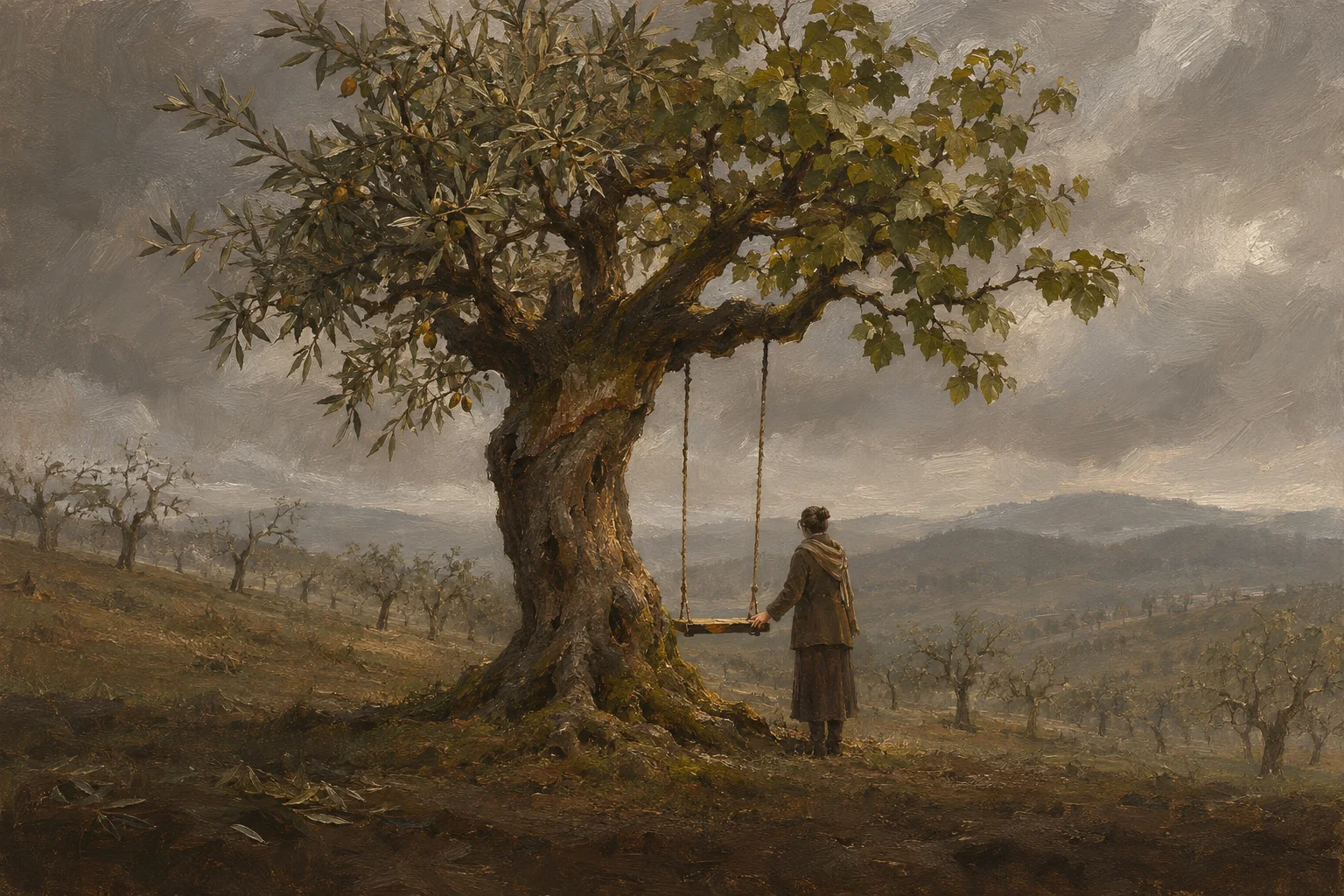
The options
The order shown is not a ranking of preference.
The situation as it stands
Assumed technology can create body traits that allow life in the local environment, but their descendants would find it hard to adapt to Earth's environment. Decision deadline: 2 years, until the first birth plan is approved.
A fictional issue set in 2180 · Descendants adapted to the planet cannot live on Earth. The people, organizations, figures, and events are a synthetic premise composed for comparison.
- Premise 1Assumed technology can create body traits that allow life in the local environment, but their descendants would find it hard to adapt to Earth's environment.
- Premise 2Earth-like living facilities are possible, but they cost three times as much and cannot accommodate every dwelling.
- Premise 3The preferences of people not yet born are unknown, and even present migration applicants value the possibility of return differently.
Where it holdsA participating community's agreement on reproduction research, child-rearing, and return support
What is still unknown
- Unknown 1The extent to which the adaptation can be reversed or moved to another environment
- Unknown 2Long-term resources for maintaining the environmental facilities
- Unknown 3The representative procedure for generations born afterward to change the agreement
Signals to decide again
- Decide what observation, responsible party, and confirmation channel can verify "the extent to which the adaptation can be reversed or moved to another environment," and re-judge if a new confirmation changes the tradeoffs among the options.
- Decide what observation, responsible party, and confirmation channel can verify "long-term resources for maintaining the environmental facilities," and re-judge if a new confirmation changes the tradeoffs among the options.
- Decide what observation, responsible party, and confirmation channel can verify "the representative procedure for generations born afterward to change the agreement," and re-judge if a new confirmation changes the tradeoffs among the options.
Where the paths partNot answers — paths that part from the same starting point
A fictional study found that some adaptive traits are reversible but require substantial care upon return.
The first generation to reach adulthood prioritized local autonomous living over the originally planned support for visits to Earth.
Material and rootsThe frame, the values and the background documents
Do people accept both the benefits of a new capability and the life that capability demands?
An exploratory perspective chosen by the creator. Does not claim supernatural validity or the superiority of any particular option.The benefits and costs of the options accrue to different stakeholders. Which loss to accept remains undecided.
A subject for the decision-maker to argue over; the materials carry no conclusion of their own.- WHO · Human genome editing accessed 2026-09-08
- UNESCO · Universal Declaration on Bioethics and Human Rights 2005-10-19
The record of this question
- Question
FSP-BIOCRAFT-01· version 1.4.0- Content identity, SHA-256
63a08e72ce66cd7acf9259582898d638760c11309e4e3595fdb52bf16dc00c00- Input files
- Question input JSON · What followed, JSON