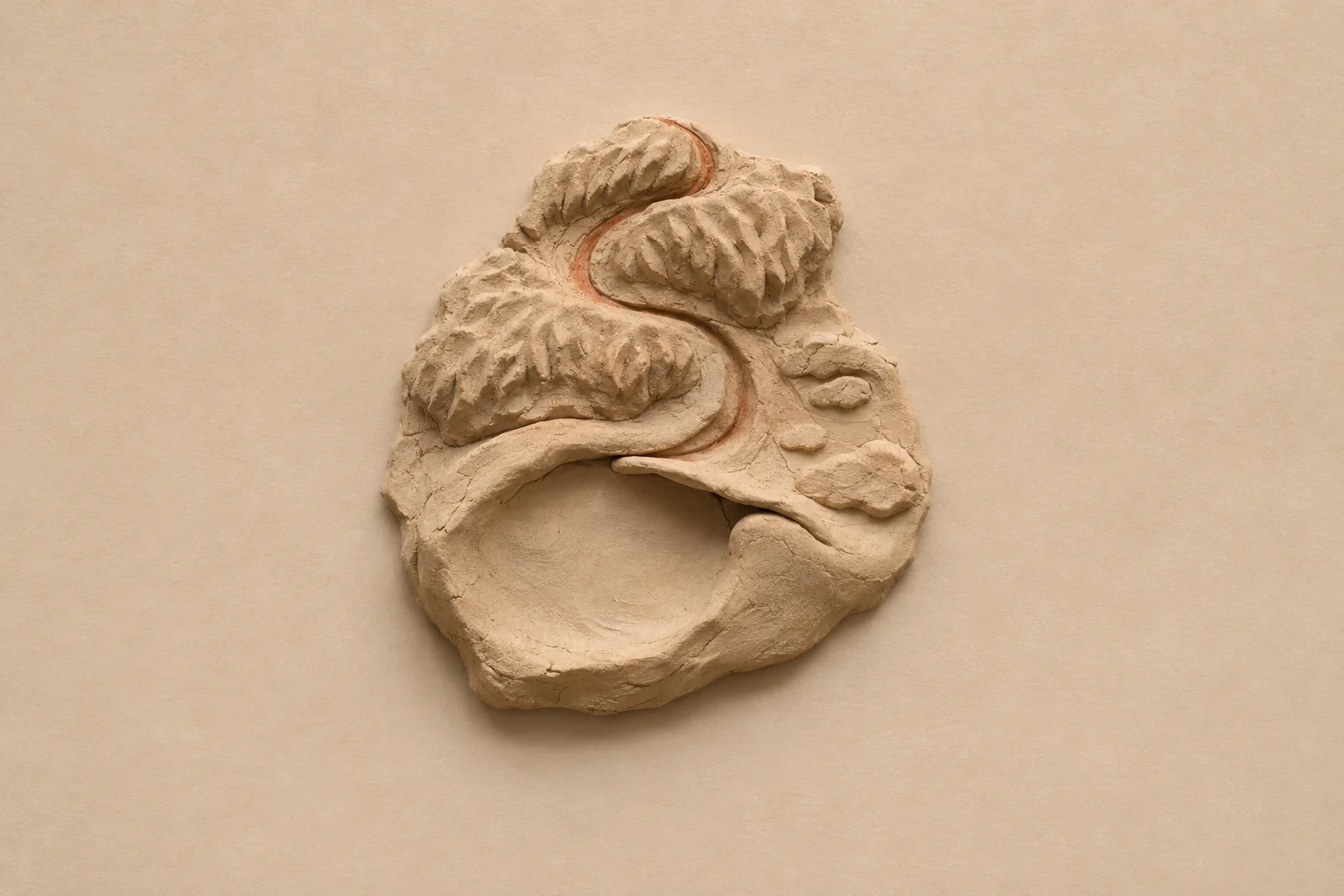
A river made today flows on the land of the next generation
2170The deep futureDeadline · Decision deadline: 1 year until the next 20-year spatial plan is finalized
Civilisational assumption
The people, events, figures, and technology in this matter are stated assumptions. They are not to be treated as information about real individuals or as observed events. Background documents are separate sources, and symbolic interpretations are recorded as discovery paths.
The question to decide
Creating a river and forest on one third of the commons produces a space that many generations can enjoy, but changing its use takes decades. When also considering the choices of future residents who are not yet represented, which spatial plan will the residents' council choose: one grand landscape, many small experiments, or land reserved for the future?
Who decidesThe residents' council in charge of allocating resources
What the AI judgments chose
Reading the judgment record…
The options
The order shown is not a ranking of preference.
The situation as it stands
In this world, basic housing and material goods are met, but land in good locations and residents' attention remain limited. Decision deadline: 1 year until the next 20-year spatial plan is finalized.
A fictional premise set in 2170 · A river that has not yet been built runs through a prosperous city. The people, organizations, figures, and events are a synthetic premise constructed for comparison.
- Premise 1In this world, basic housing and material goods are met, but land in good locations and residents' attention remain limited.
- Premise 2The artificial river becomes a shared space experienced by many generations, but repurposing it after creation takes decades.
- Premise 3Newly arriving residents are not yet represented, and current residents also differ in how they value imitating nature and open experimentation.
Where it holdsAllocation of common urban land and leisure and cultural resources
What is still unknown
- Unknown 1How to leave room for the participation rights of future residents
- Unknown 2The actual restoration cost of changing the space
- Unknown 3The management activities that residents will take on and sustain over the long term
Signals to decide again
- Decide what observation, owner, and confirmation window will establish “how to leave room for the participation rights of future residents,” and re-judge when a new finding changes the tradeoffs among the options.
- Decide what observation, owner, and confirmation window will establish “the actual restoration cost of changing the space,” and re-judge when a new finding changes the tradeoffs among the options.
- Decide what observation, owner, and confirmation window will establish “the management activities that residents will take on and sustain over the long term,” and re-judge when a new finding changes the tradeoffs among the options.
Where the paths partNot answers — paths that part from the same starting point
Two small experiment spaces were connected, drawing broader resident participation than the original large project.
A new group of migrants proposed using the reserved land as a high-density co-creation space.
Material and rootsThe frame, the values and the background documents
How do we distinguish the value of a challenge from the losses of others that the challenger cannot decide?
An exploratory perspective chosen by the creator. Does not claim supernatural validity or the superiority of any particular option.The benefits and costs of the options accrue to different stakeholders. Which loss to accept remains undecided.
A subject for the decision-maker to argue over; the materials carry no conclusion of their own.- ICA · Cooperative identity, values and principles accessed 2026-09-08
- UNESCO · Universal Declaration on Bioethics and Human Rights 2005-10-19
The record of this question
- Question
FSP-CREATION-01· version 1.4.0- Content identity, SHA-256
18efe09e4fe927d2d2a04d9d20cf21675a01913522afe75a47383f3571b7f036- Input files
- Question input JSON · What followed, JSON