Stories to leave in writing, stories to carry on by word of mouth
1447The past, rebuiltDeadline · Within 6 months until the first record book is produced
Reconstruction of the past
The reference date for materials is 1447-01-01. Only the explicit original texts of that time are used as background; the three situational premises and the later branches are fictional. Real outcomes, revised systems, and success cases known later are not used as facts of the initial input. This is a modern retrospective question setup and is not a claim that people of that time made this decision.
The question to decide
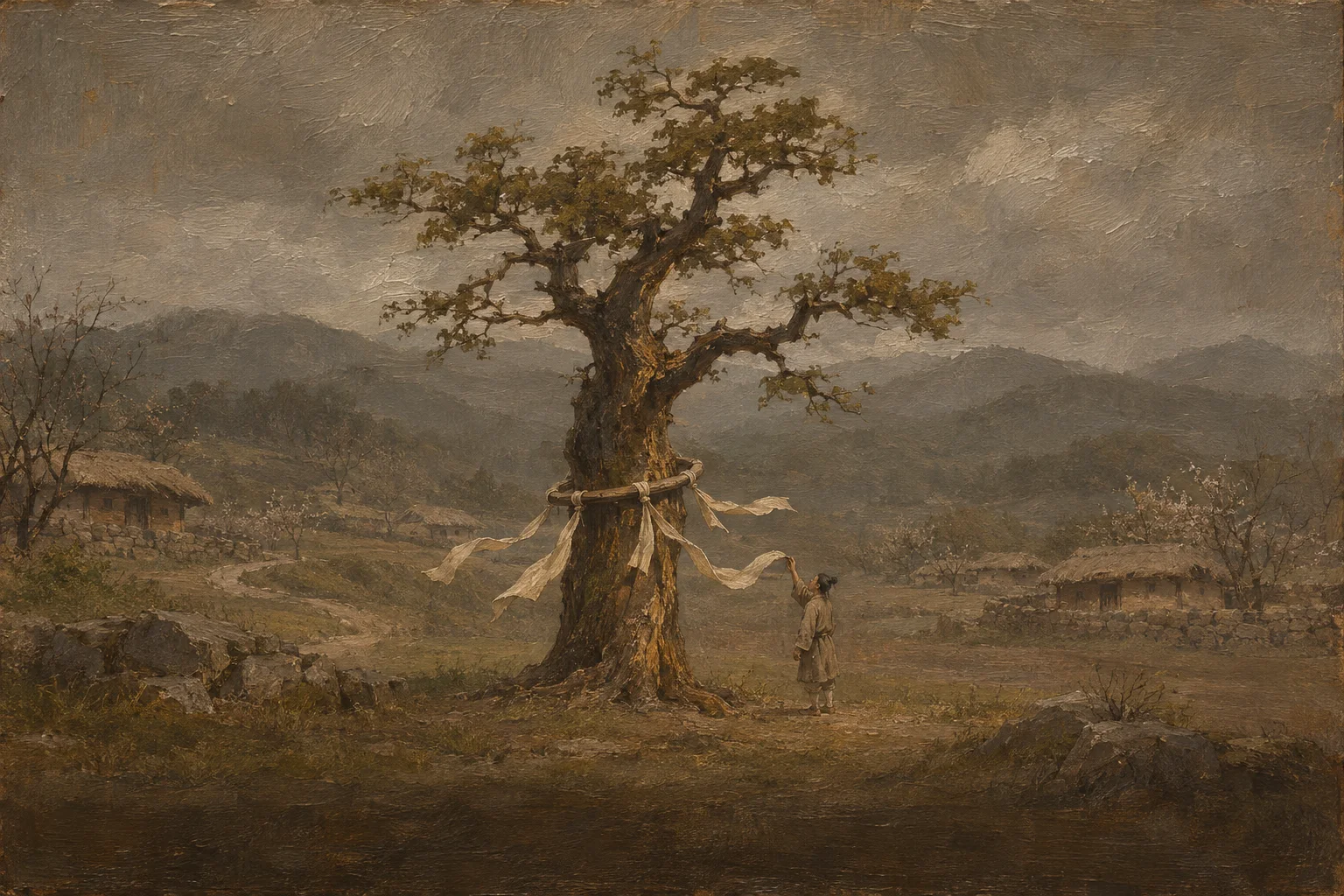
The village's stories differ with each teller and each setting. Recording a single version makes it widely read, but other traditions may be treated as the wrong story; including many versions increases the burden of production and reading. Between the power that keeps a story long and the room for it to keep changing, how should we connect the record and the oral telling?
Who decidesFictional village storytelling group
What the AI judgments chose
Reading the judgment record…
The options
The order shown is not a ranking of preference.
The situation as it stands
In the reconstructed village, the story changes in its details with each speaker and each occasion. Decision deadline: within 6 months until the first record book is produced.
Reconstruction of the past as of 1447-01-01 · A story passed down orally is fixed into a single written text. A fictional case newly built from the principles of documents of that time. The organizations, people, figures, and events that appear are not real Decision-making records.
- Premise 1In the reconstructed village, the story changes in its details with each speaker and each occasion.
- Premise 2Making one version into a written text allows wide reading, but other stories may be treated as wrong.
- Premise 3Leaving several versions shows the differences, but takes more material and more effort to read.
Where it holdsOral tradition · different versions · authority of records
What is still unknown
- Unknown 1The other experiences held in the differences between versions
- Unknown 2The force the transmitters wanted the record to have
- Unknown 3The people and places that will carry on the oral gathering
Signals to decide again
- Decide what observation, responsible person, and confirmation window can verify "the other experiences held in the differences between versions", and re-judge when a new verification changes the tradeoffs of the options.
- Decide what observation, responsible person, and confirmation window can verify "the force the transmitters wanted the record to have", and re-judge when a new verification changes the tradeoffs of the options.
- Decide what observation, responsible person, and confirmation window can verify "the people and places that will carry on the oral gathering", and re-judge when a new verification changes the tradeoffs of the options.
Where the paths partNot answers — paths that part from the same starting point
A person who read the record book pointed to a different story by an existing oral transmitter as an error.
A villager who had gone far away made contact, saying that thanks to the record they would restart the transmission.
Material and rootsThe frame, the values and the background documents
Can we read the effects of an act of belief without treating a prophecy as fact?
An exploratory perspective chosen by the creator. Does not claim supernatural validity or the superiority of any particular option.The benefits and costs of the options accrue to different stakeholders. Which loss to accept remains undecided.
A subject for the decision-maker to argue over; the materials carry no conclusion of their own.The record of this question
- Question
FSP-CULTURE-37· version 1.5.0- Content identity, SHA-256
b49e34d5e6964df61a24288cbb276a99bd922132164c8fb96dd51394d21eb2eb- Input files
- Question input JSON · What followed, JSON