May we learn other ways of life with the money that carries the culture
1981The past, rebuiltDeadline · Within 120 days until the next allocation of support
Reconstruction of the past
The material reference date is June 28, 1981. Only the stated texts from that time are used as background; the three situational premises and the later branches are fictional. Real outcomes, amended systems, and success cases known later are not treated as facts of the initial input. This is a modern retrospective framing, and it is not a claim that people at the time made this decision.
The question to decide
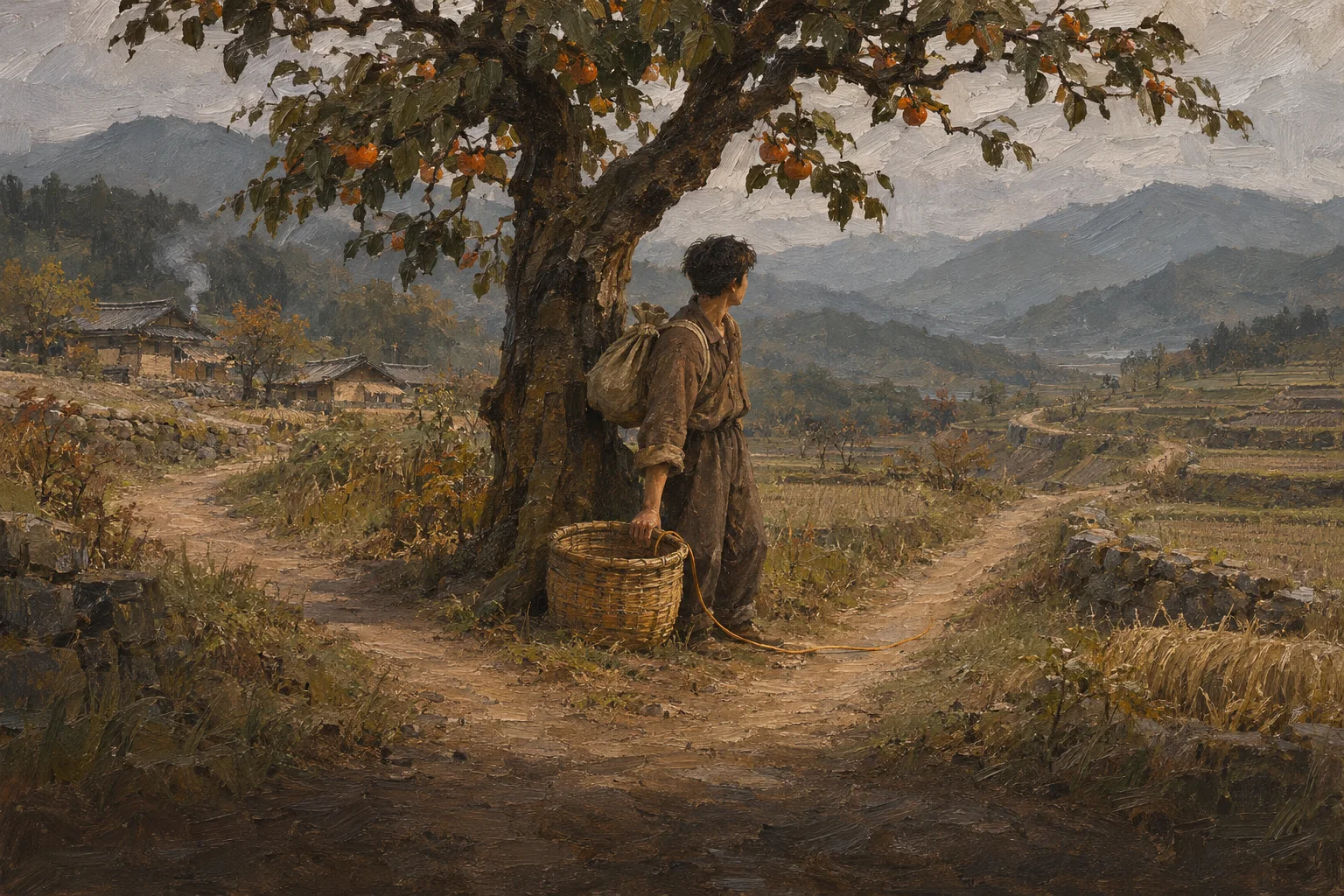
Young people want to learn living skills from other regions with the fund raised to carry on the culture. Broadening the support reduces the money for transmitting the traditions, and a pledge to return and share can restrict lives that will change once they have learned. What learning should this fund support, and in return what should it require as a promise?
Who decidesFictional joint cultural fund meeting
What the AI judgments chose
Reading the judgment record…
The options
The order shown is not a ranking of preference.
The situation as it stands
The reconstructed fund was raised to carry on the community's culture, but some young people want to learn new livelihood skills from another region. Decision deadline: within 120 days, by the next allocation of support.
Reconstruction of the past as of 1981-06-28 · A cultural preservation fund pays the cost for young people who want to learn a new way of life. A fictional case newly built from the principles of documents of that time. The organizations, people, figures, and events shown are not records of real decision-making.
- Premise 1The reconstructed fund was raised to carry on the community's culture, but some young people want to learn new livelihood skills from another region.
- Premise 2Supporting only existing transmission can carry on the familiar culture, but it narrows the future choices the young people want.
- Premise 3Attaching a condition of returning and sharing can justify expecting a shared contribution, but it may restrict the changed life after the learning.
Where it holdsContinuity of culture · individual development · shared resources
What is still unknown
- Unknown 1The specific parts of present transmission that may be cut off
- Unknown 2What the new learning means for the community and for the individual
- Unknown 3A way of sharing the contribution even without returning
Signals to decide again
- Once the observation, the responsible person, and the check window that verify 「the specific parts of present transmission that may be cut off」 are defined, rejudge if the new verification changes the tradeoffs of the options.
- Once the observation, the responsible person, and the check window that verify 「what the new learning means for the community and for the individual」 are defined, rejudge if the new verification changes the tradeoffs of the options.
- Once the observation, the responsible person, and the check window that verify 「a way of sharing the contribution even without returning」 are defined, rejudge if the new verification changes the tradeoffs of the options.
Where the paths partNot answers — paths that part from the same starting point
A young person who learned a new skill proposed another way of expressing the tradition, but the existing leaders did not accept it as transmission.
A recipient reported circumstances that make it hard to return to the region because of care relationships.
Material and rootsThe frame, the values and the background documents
Can we read the effects of an act of belief without treating a prophecy as fact?
An exploratory perspective chosen by the creator. Does not claim supernatural validity or the superiority of any particular option.The benefits and costs of the options accrue to different stakeholders. Which loss to accept remains undecided.
A subject for the decision-maker to argue over; the materials carry no conclusion of their own.The record of this question
- Question
FSP-CULTURE-42· version 1.5.0- Content identity, SHA-256
014cd53070621ca404dc78604c569805798b265a0ee278c135697db8721f531f- Input files
- Question input JSON · What followed, JSON