Is river restoration a return to the past?
2026NowDeadline · Within 50 days, until the restoration design is selected
Realistic synthesis
The people, events, figures, and contract terms are a synthetic premise. They are not statements of real cases or of current law. The source documents are the roots of the background and the norms and do not establish the premises of the scenario.
The question to decide
Ecological records of the old river are incomplete, and the native spaces that grew up alongside artificial structures now support resident use and species habitat. The future environment is still an assumption. Among recovering the past, protecting the present, and preparing for change, what should be the starting point of restoration?
Who decidesFictional river restoration citizens' committee
What the AI judgments chose
Reading the judgment record…
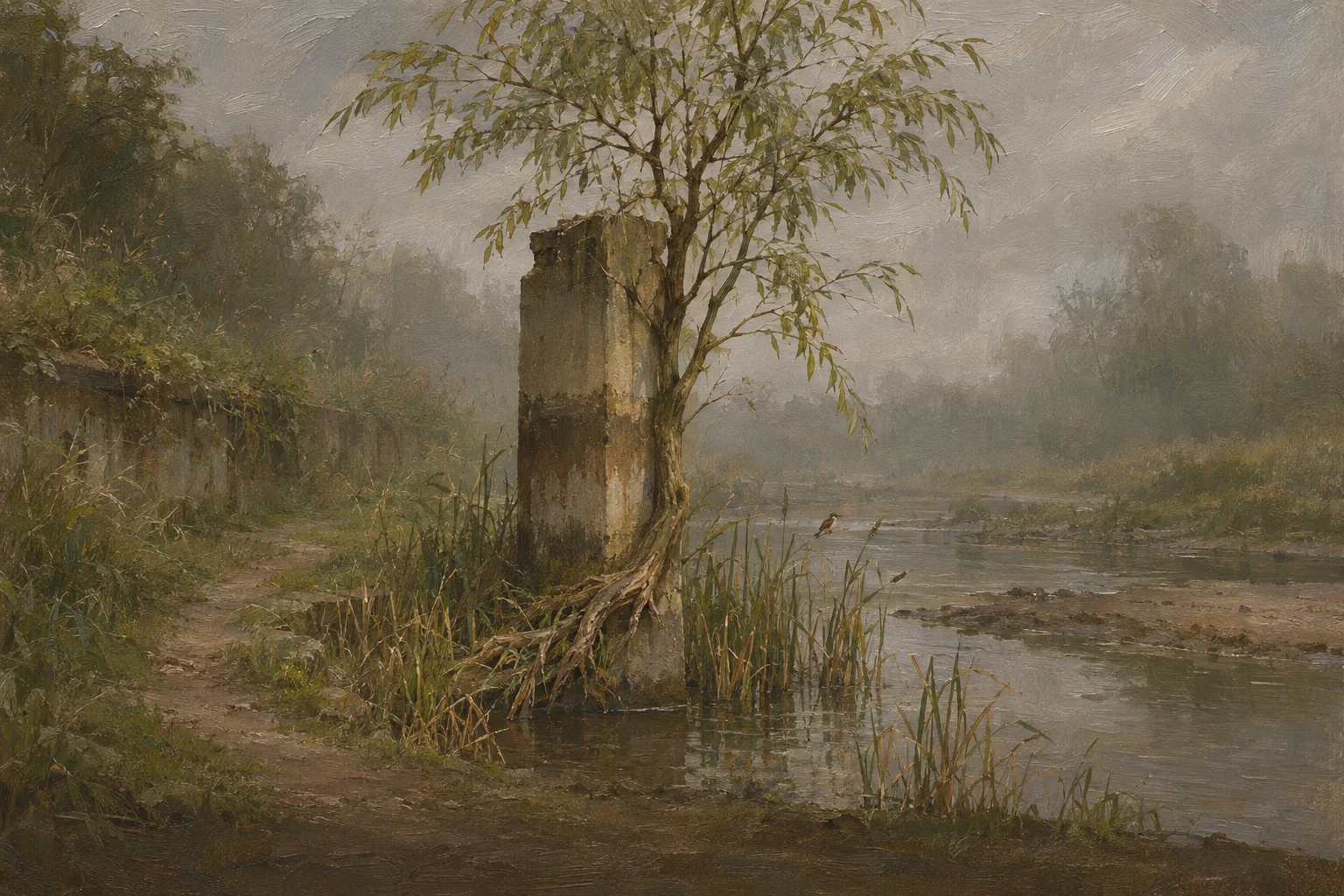
The options
The order shown is not a ranking of preference.
The situation as it stands
Old maps and photographs exist, but there is not enough material to fully show the ecology of that time. Decision deadline: within 50 days, before the restoration design is selected.
2026 synthetic case · Who sets the baseline year for the nature to be restored? The people, organizations, figures, and events are fictional.
- Premise 1Old maps and photographs exist, but there is not enough material to fully show the ecology of that time.
- Premise 2The recent native space arose together with artificial structures and has become a place of resident use and a habitat for some life.
- Premise 3A future adaptation goal assumes the environment ahead, so unverified expectations drive the design.
Where it holdsBaselines for target ecology, landscape, and land use
What is still unknown
- Unknown 1Gaps in the old records and the range of interpretation
- Unknown 2The core relationships maintained by present habitat and use
- Unknown 3A design that can be revised when environmental assumptions change
Signals to decide again
- Define what observation, owner, and confirmation window will verify 「gaps in the old records and the range of interpretation」, and rejudge when a new confirmation changes the tradeoffs of the options.
- Define what observation, owner, and confirmation window will verify 「the core relationships maintained by present habitat and use」, and rejudge when a new confirmation changes the tradeoffs of the options.
- Define what observation, owner, and confirmation window will verify 「a design that can be revised when environmental assumptions change」, and rejudge when a new confirmation changes the tradeoffs of the options.
Where the paths partNot answers — paths that part from the same starting point
New past records were discovered, showing that a landscape previously called natural was in fact under artificial management.
A habitat function worth protecting in the current native zone was further confirmed.
Material and rootsThe frame, the values and the background documents
How can the intent of nature that people speak for be reviewed?
An exploratory perspective chosen by the creator. Does not claim supernatural validity or the superiority of any particular option.The benefits and costs of the options accrue to different stakeholders. Which loss to accept remains undecided.
A subject for the decision-maker to argue over; the materials carry no conclusion of their own.The record of this question
- Question
FSP-ECOLOGY-23· version 1.5.0- Content identity, SHA-256
79e91798e20bf793f1fbdcf16c0b7a3218943ec26e20220a199b367569341bab- Input files
- Question input JSON · What followed, JSON