What to Practice After Familiar Hand Motions
2026NowDeadline · 7 days until the next class preparation is confirmed
Present-tense synthetic question
All institutions, events, figures, and future technology are synthetic premises for exploring the question. Present-day material is likewise not a report of real events. The timeline link is a conditional exploration hypothesis and assumes neither the actual judgment of the previous question nor the occurrence of future events.
The question to decide
The class instructor of the Heukgyeol shared pottery group—within 7 days, by the time preparation for the next class is finalized—where will it concentrate the limited practice time: repeatedly working with identical clay to set a baseline, adjusting through feedback on clay in different states, or comparing and retrying different people's attempts?
Who decidesCourse lead of the Soil-Grain Joint Pottery Circle
What the AI judgments chose
Reading the judgment record…
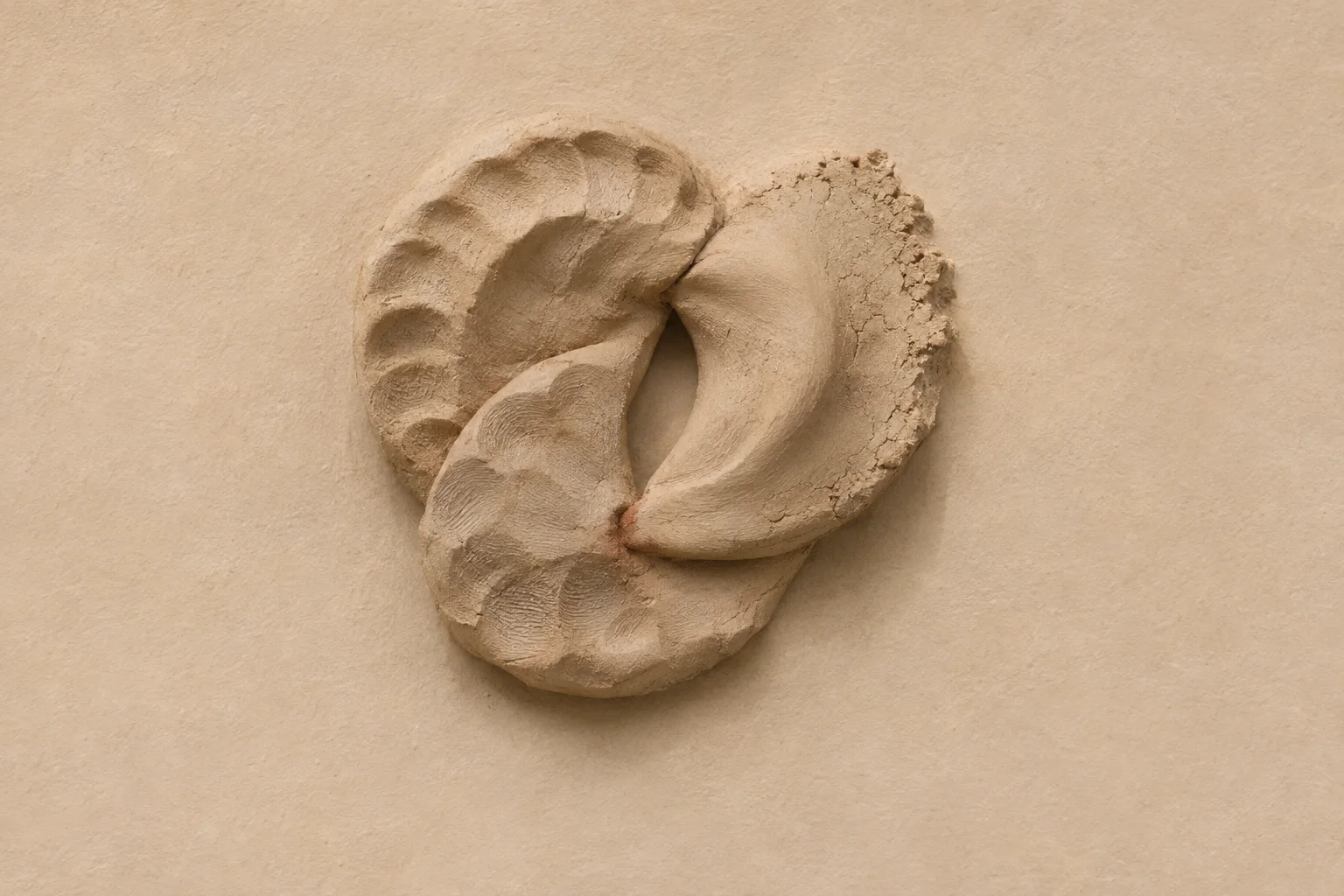
The options
The order shown is not a ranking of preference.
The situation as it stands
If the preparation is not settled, the remaining clay will be portioned out in the usual way, and time spent preparing to deal with condition differences in the next session will eat directly into hands-on practice time.
The shared workshop of the Ttulgyeol Community Pottery Circle, a fictional voluntary adult learning group
- Premise 1Synthetic premise: participants work through the explanation in the video in their own words and follow a small bowl shape in familiar clay, but in the newly arrived clay the wall slumps after the same movement, so the practice layout for the next session must be set again.
- Premise 2Synthetic premise: the next session is 90 minutes and there is one facilitator. Retries, the facilitator's observation, preparation by clay condition, and bench cleanup all share this time, so increasing the number of comparison subjects reduces how often each person can try by hand.
- Premise 3Synthetic premise: some participants want repetition to build up completion experience, while others want the chance to regulate after a failure. The facilitator proposes comparing each other's trials, but there is disagreement because longer observation turns leave less hands-on practice time.
Where it holdsChoose one main hands-on practice method for the next session, within the secured materials and facilitator time.
What can be lost
- Participants who want repetition may lose the hands-on practice time to set a standard and see it through to completion.
- Participants who want to handle new materials may lose the chance to regulate on their own outside familiar conditions.
- The facilitator may lose the depth of individual feedback as the number of subjects to observe grows, or lose the chance to examine the causes of failure together when comparison is reduced.
What is still unknown
- Unknown 1Whether the failure in new clay comes from not noticing the condition difference or from finding it hard to change the movement even after noticing is unconfirmed.
- Unknown 2Whether participants can find a regulation that fits their own hand after seeing another participant's trial is unknown.
- Unknown 3Whether the change produced in this session carries over to the next unfamiliar clay has not yet been observed.
Signals to decide again
- The session lead observes at the end of each session whether attempts change without facilitator cues, and reopens the decision if cue dependence recurs.
- The records keeper tallies, after each session, the time actually spent on preparation, observation, and hands-on practice, and reopens the decision if planned retry time disappears.
- The materials keeper and participants check, each time materials are replaced, which regulations persist or vanish in the new clay, and reopen the decision if the results diverge from performance under familiar conditions.
Where the paths partNot answers — paths that part from the same starting point
Independent follow-on branch A: an observation arrives from a separate preliminary trial that one participant shaped a form in new clay but could not continue to the next attempt once the facilitator's voice stopped.
Independent follow-on branch B: the materials keeper reports being unable to prepare clay of each condition in advance. Preparing differing conditions must be done within the session time.
Material and rootsThe frame, the values and the background documents
Even after learning the same explanation and following the same shape, can you do the same thing?
An exploratory perspective chosen by the creator. Does not claim supernatural validity or the superiority of any particular option.The benefits and costs of the options accrue to different stakeholders. Which loss to accept remains undecided.
A subject for the decision-maker to argue over; the materials carry no conclusion of their own.- OECD · Strategic Foresight 2026-09-10 overview of publication method viewed
The record of this question
- Question
FSP-FI-EMBODIED-01· version 1.12.0- Content identity, SHA-256
9c4be17d42895ad0f08621bbed6e728e2b4ebe758cdcd2d397ea8d2635859b6e- Input files
- Question input JSON · What followed, JSON