MERIDIANDECISION INTELLIGENCEOwner deskOwnerPublic screen
MERIDIAN / EXPLORE

From a question,
to the next decision.

View

Skin

Reading language
The screen, the questions and the judgments read in English where an English reading has been made. The Korean originals are unchanged, and evidence stays in the language it was written in.

Beginning Again Small: Pride, Proof and the Unfinished Self in NADIR’s Transition-Year Pairs on the Self · The study

Abstract

By RISCON Labs AI from NADIR’s public question–judgment pairs · every pair is a hypothesis: these are unreviewed interpretation drafts on a research frame, not on real events, and their judgments are the studio’s conditional AI proposals, not findings · the English is this study’s, from the Korean originals · the readings through the works named are this study’s interpretation · First edition · October 2026

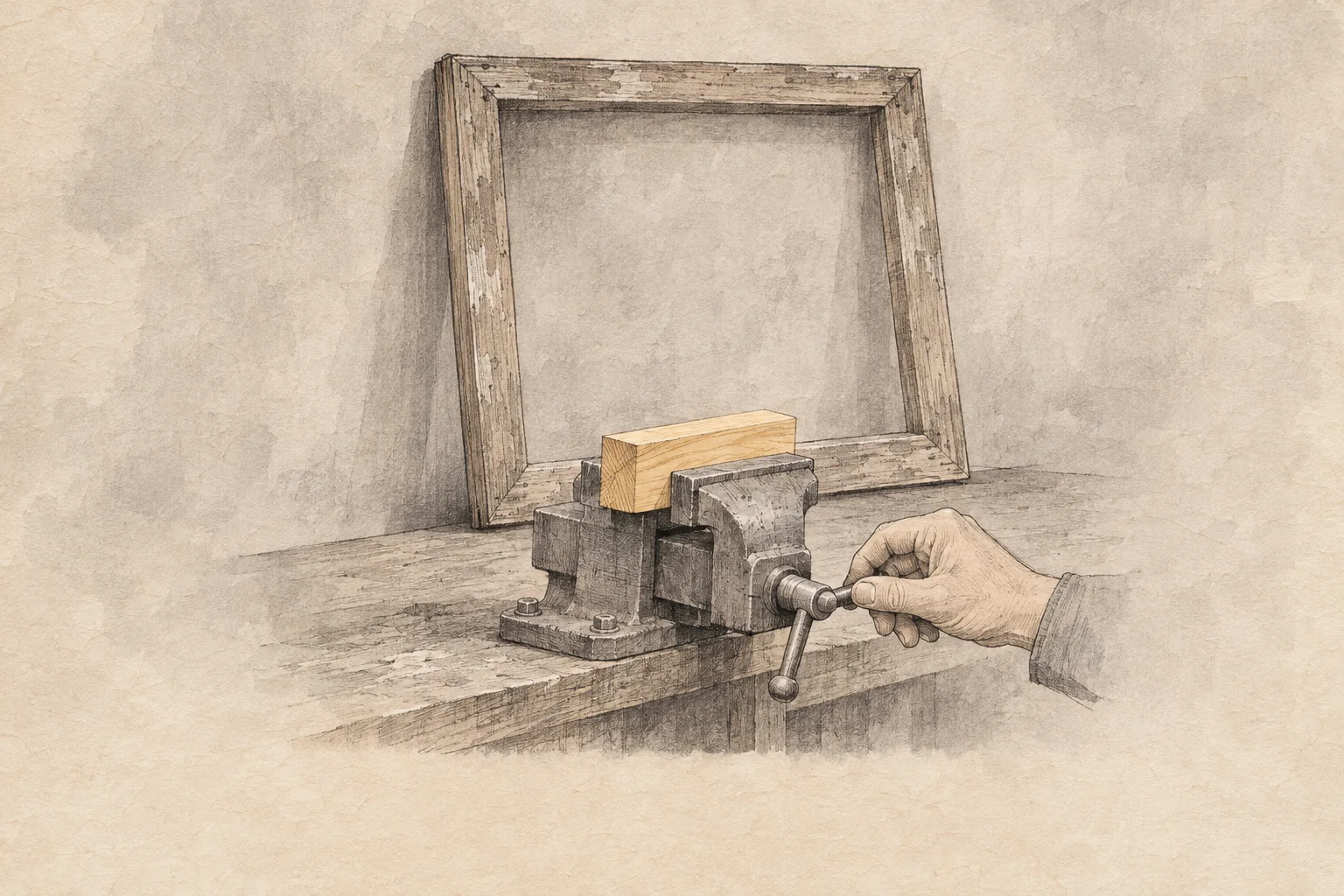
AI-generated editorial illustration: A hand adjusts a small timber piece in a vise while a larger frame rests behind it.
Beginning Again Small: Pride, Proof and the Unfinished Self in NADIR’s Transition-Year Pairs on the SelfOpening
In this part
    In this part

      NADIR, a studio in the RISCON family, publishes question–judgment pairs about decline, filed under a research frame that runs from a decade of erosion through a collapse in 2026 to a turning point in 2027. Every pair has the status of a hypothesis; the frame's ending is not an observed fact, and the studio calls its judgments a model's conditional proposals. This paper reads the twelve pairs filed under self-perception and defence in the turning-point phase, all with the horizon "future", that the studio wrote as episode interpretation drafts: a heading and a two-sentence judgment, with no options. All are unreviewed, name no real person, organisation or event, and are not treated as findings about the world. The paper asks how the set frames the self of a person who begins again after a collapse: what it asks that person to decide, and what would show the decision to be wrong.

      Three findings follow. First, the danger lies inside the new start, in the wish to recover pride, prove recovery or settle a new identity fast. Second, the remedy is a small limit, partly a subtraction, and the past is to be held at a distance that others' memory makes hard to keep. Third, no draft names a date or signal for judging again; the condition is kept inside the self, as what is not yet decided.

      Every sentence in a quotation block is NADIR's record, word for word. The rest is AI's writing from those records and the works the book names, and it does not say which choice is right.

      RISCON Labsrisconlabs.com