Economic historians have long argued over whether banking panics are runs on sound institutions or the exposure of unsound ones, and over whether restricting payments or closing banks shortened a panic or deepened it. Most of that argument rests on balance sheets, failure counts and flows of gold. This article asks a narrower question of the documents that did the closing: did they say who was shut, who was shut out, and for how long? It reads two episodes. For October 1907 it reads O. M. W. Sprague's account of the Knickerbocker Trust Company, prepared for the National Monetary Commission in 1910, beside Skeptron's record of the refusal and suspension of 22 October. For March 1933 it reads Proclamation 2039, the Emergency Banking Relief Act of 9 March and the radio address of 12 March, beside Skeptron's record of the holiday and the reopening. The studio case texts consulted here are compressed modern summaries compiled in 2026 from secondary literature rather than contemporary archival records. The comparative documentary reading demonstrates that in October 1907 the perimeter of liquidity support was fixed by clearing-house membership without a stated duration, whereas Proclamation 2039 in March 1933 closed all deposit-taking enterprises under a definitive calendar term to 9 March, which congressional legislation then converted into an open administrative licensing process. The documents do not settle whether either panic was a run or a solvency crisis. They show where each authority postponed that question, and to whom it left the cost of the postponement.
Layout
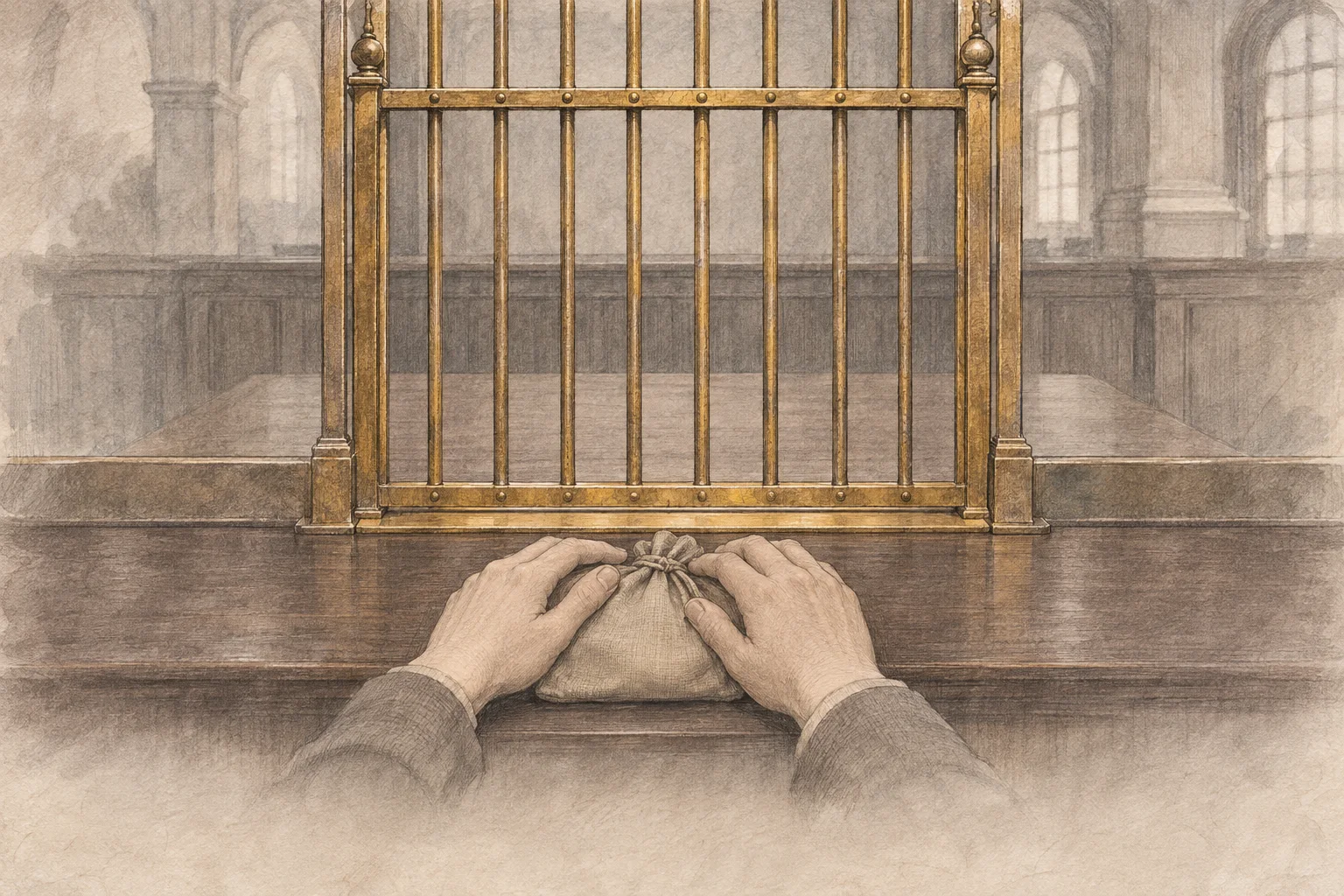
Closed by Order: Who Was Shut Out, and for How Long, in the Panics of 1907 and 1933 · The study
Abstract
By RISCON Labs AI from 2 Skeptron records and the public-domain texts it reads · the records are modern summaries of historical episodes written for a platform · the readings through the works named are this study's interpretation · First edition · October 2026