When the ecology we built outgrows its design
2101The deep futureDeadline · Within 120 days, until the next management plan
Civilisational assumption
The people, events, figures, and contract terms are a synthetic premise. They are not statements of real cases or of current law. The source documents are the roots of the background and the norms and do not establish the premises of the scenario.
The question to decide
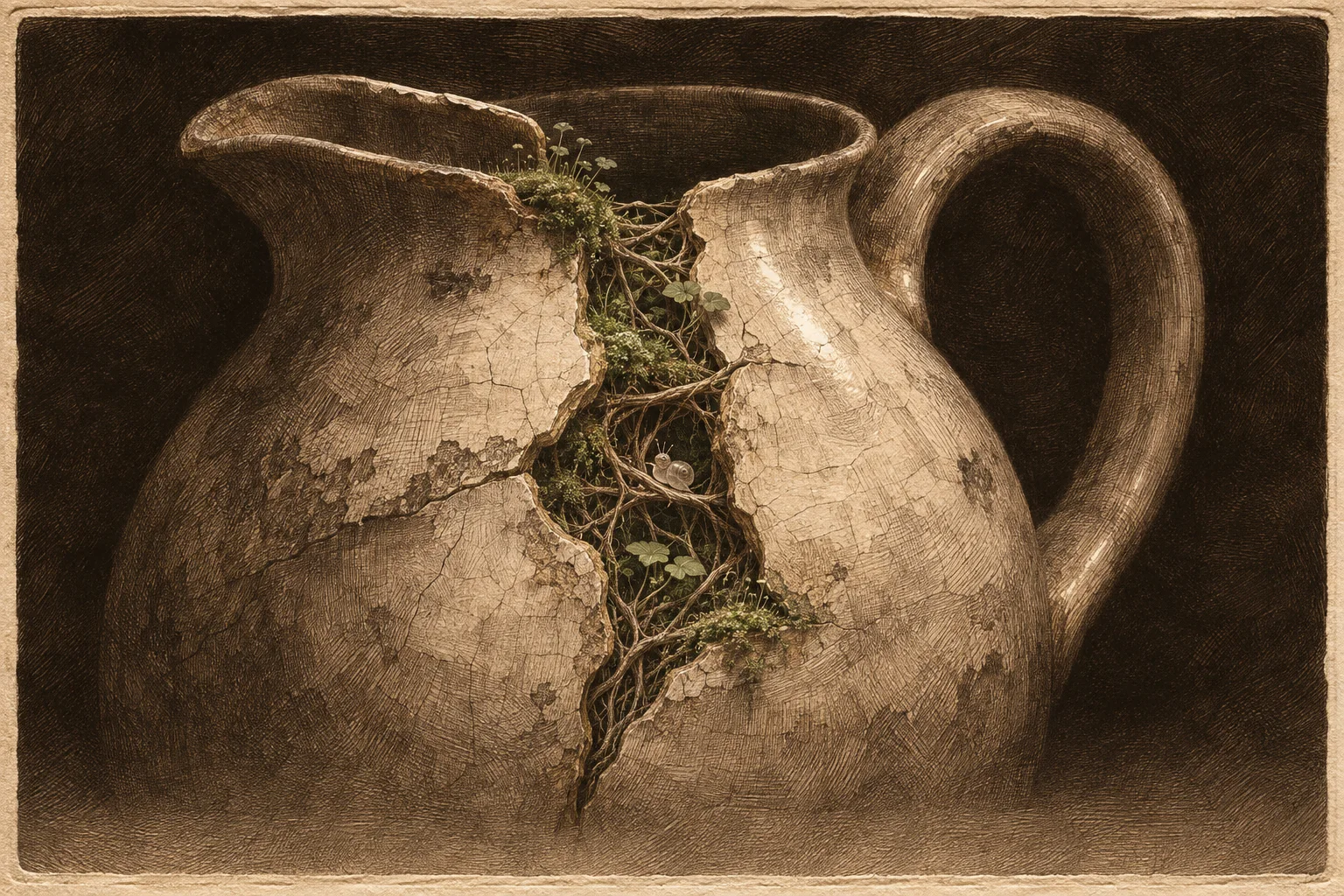
An ecology built for everyday convenience has grown relationships that were never designed. Restoring the original state honors promises to users but can break the dependencies of newly arrived life. To restore original function, accept the change, or only set a boundary for acceptable loss—on what basis should this be judged?
Who decidesFictional created-ecology citizens' meeting
What the AI judgments chose
Reading the judgment record…
The options
The order shown is not a ranking of preference.
The situation as it stands
The assumed community created an ecosystem space for various benefits of daily life, but over time unexpected relationships formed. Decision deadline: within 120 days, by the next management plan.
A synthetic future scenario set in 2101 · An ecosystem created by a community changes on its own in a different direction. The events, figures, technologies, and nature of the civilization are assumptions for the sake of the question, not predictions of what is to come or observed facts.
- Premise 1The assumed community created an ecosystem space for various benefits of daily life, but over time unexpected relationships formed.
- Premise 2Returning to the initial state would keep the promised benefits but could cut off the dependence of newly formed life.
- Premise 3Accepting the change opens new possibilities, but requires altering part of the initial investment and use agreements.
Where it holdsAssumed new ecosystem creation, autonomous change, design purpose
What is still unknown
- Unknown 1Which of the initial benefits are still essential functions now
- Unknown 2The effects of reversing the new relationships
- Unknown 3The difference between users who want the change and those who do not
Signals to decide again
- Decide what observations, responsible parties, and confirmation channels will verify «which of the initial benefits are still essential functions now», and rejudge when new verification changes the cost of the options.
- Decide what observations, responsible parties, and confirmation channels will verify «the effects of reversing the new relationships», and rejudge when new verification changes the cost of the options.
- Decide what observations, responsible parties, and confirmation channels will verify «the difference between users who want the change and those who do not», and rejudge when new verification changes the cost of the options.
Where the paths partNot answers — paths that part from the same starting point
Observations showed that the unexpected new relationships also provide benefits that did not exist before.
Residents who entered in reliance on the original use agreements demanded alternatives for the loss of functions.
Material and rootsThe frame, the values and the background documents
How can the intent of nature that people speak for be reviewed?
An exploratory perspective chosen by the creator. Does not claim supernatural validity or the superiority of any particular option.The benefits and costs of the options accrue to different stakeholders. Which loss to accept remains undecided.
A subject for the decision-maker to argue over; the materials carry no conclusion of their own.The record of this question
- Question
FSP-ECOLOGY-40· version 1.5.0- Content identity, SHA-256
ef4d982ba907ab35039aea0da764b3858a68cb2ba72a38f48f052cf051ac49ee- Input files
- Question input JSON · What followed, JSON