Make room for the returning wild?
2087The far futureDeadline · Within six months, until the next cultivation season
A leap assumed
The people, events, figures, and contract terms are a synthetic premise. They are not statements of real cases or of current law. The source documents are the roots of the background and the norms and do not establish the premises of the scenario.
The question to decide
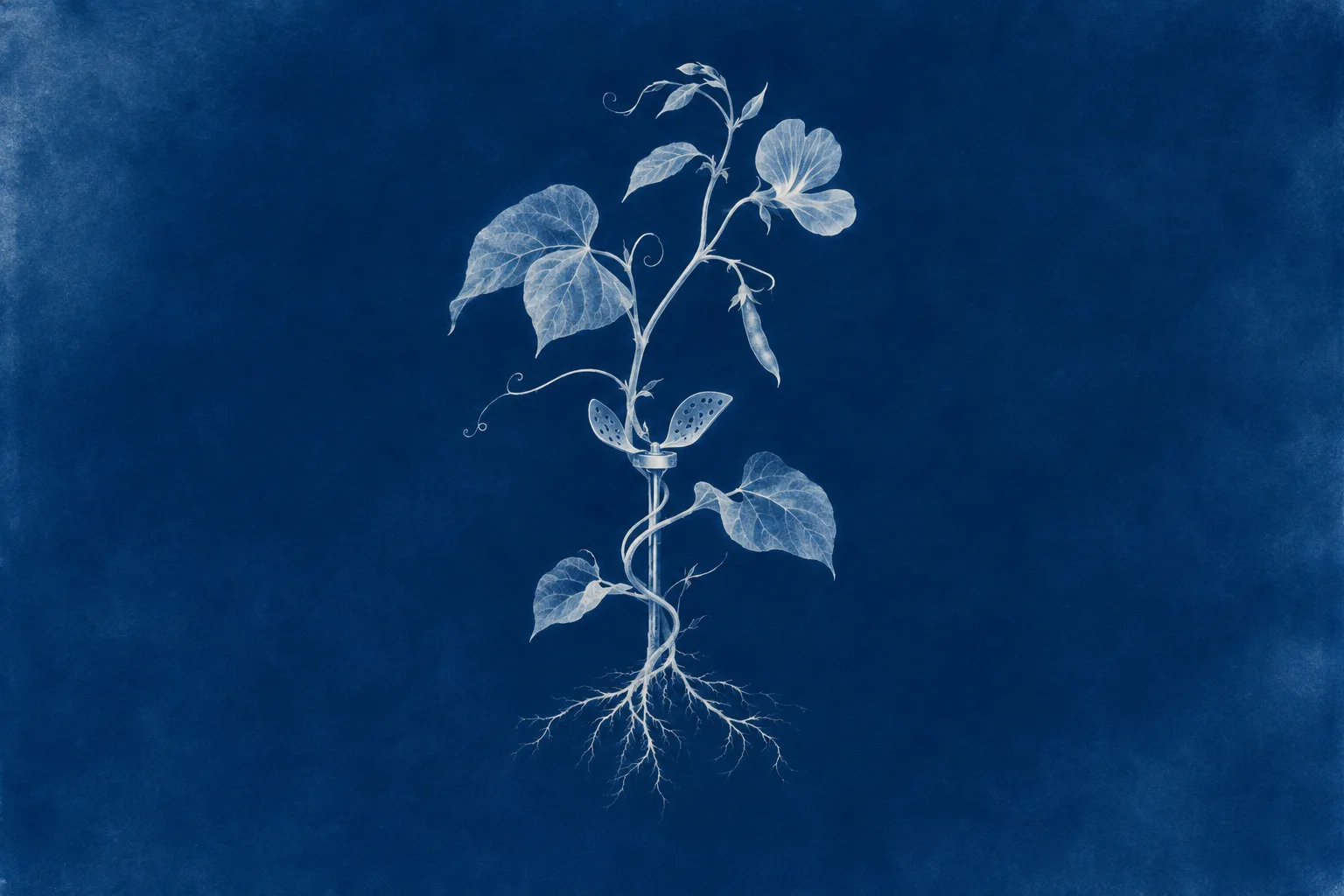
In areas using devices that stood in for ecological functions, some wild life has begun to return. Keeping the devices preserves familiar production functions but may limit space for the wild, and it is unknown whether recovery will last enough to hand the site over to the wild. For the next cultivation season, how should the roles of device and wild be set?
Who decidesFictional pollination ecology transition meeting
What the AI judgments chose
Reading the judgment record…
The options
The order shown is not a ranking of preference.
The situation as it stands
The assumed area has long used devices that offset the decline of ecological functions, but wild life has begun to return in part. Decision deadline: within 6 months, before the next planting season.
Fictional synthetic scenario in the year 2087 · Returned wild life competes with existing assistive devices. The events, figures, technologies, and nature of the civilization are assumptions for the sake of the question, not predictions of what is to come or observations of fact.
- Premise 1The assumed area has long used devices that offset the decline of ecological functions, but wild life has begun to return in part.
- Premise 2Keeping the existing devices makes supply familiar, but the space and resources of the wild can be shared.
- Premise 3A shift toward the wild helps recovery, but whether its functions persist sufficiently is undetermined.
Where it holdsAssumed artificial assistance · recovery of the wild · transition
What is still unknown
- Unknown 1The conditions under which the returned life persists
- Unknown 2The actual competition between the assistive devices and wild activity
- Unknown 3The capacity to absorb a single season’s production loss
Signals to decide again
- Decide what observations, responsible parties, and confirmation channels can verify “the conditions under which the returned life persists,” and re-judge when a new finding changes the trade-offs among the options.
- Decide what observations, responsible parties, and confirmation channels can verify “the actual competition between the assistive devices and wild activity,” and re-judge when a new finding changes the trade-offs among the options.
- Decide what observations, responsible parties, and confirmation channels can verify “the capacity to absorb a single season’s production loss,” and re-judge when a new finding changes the trade-offs among the options.
Where the paths partNot answers — paths that part from the same starting point
In zones where the devices were reduced, wild activity increased, but other environmental conditions also differed.
The maintenance contract for the existing devices was changed so as to commit to several seasons at once.
Material and rootsThe frame, the values and the background documents
How can the intent of nature that people speak for be reviewed?
An exploratory perspective chosen by the creator. Does not claim supernatural validity or the superiority of any particular option.The benefits and costs of the options accrue to different stakeholders. Which loss to accept remains undecided.
A subject for the decision-maker to argue over; the materials carry no conclusion of their own.The record of this question
- Question
FSP-ECOLOGY-44· version 1.5.0- Content identity, SHA-256
2d1ac757f7be8ecf91de12afec14d598462b24307c99fa5b5a1e4edcdaa04a9f- Input files
- Question input JSON · What followed, JSON