Residents started this health activity—who will keep it going?
1978The past, rebuiltDeadline · Within 60 days before the next operating period
Reconstruction of the past
The data reference date is 1978-09-13. Only the stated source texts of that time are used as background; the three situational premises and the subsequent branches are invented. Real outcomes known later, amended systems, and success cases are not used as facts of the initial input. This is a modern retrospective question setup, not a claim that people of that time made this decision.
The question to decide
Routine work in a health activity that residents started voluntarily has concentrated on a few people. Paying for some roles could secure the time to sustain them, but creates status differences within the group; handing it to an outside team may weaken residents' relationships and autonomy. How should the labor to continue this activity be arranged?
Who decidesFictional regional health activity operations meeting
What the AI judgments chose
Reading the judgment record…
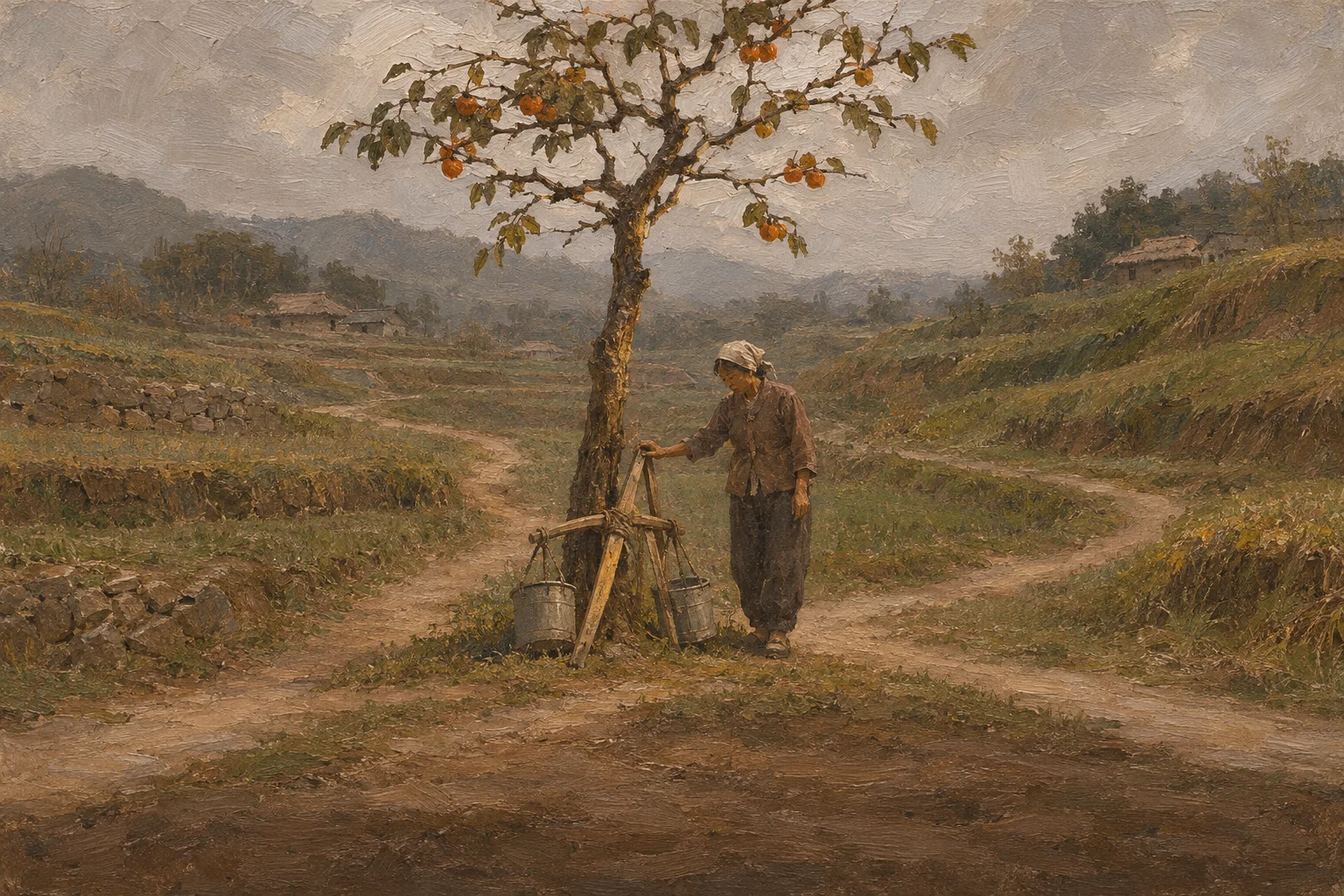
The options
The order shown is not a ranking of preference.
The situation as it stands
Fictional residents started health guidance and visit coordination voluntarily, but repetitive work has concentrated on a few people. Decision deadline: within 60 days, by the next operating period.
Reconstruction of the past based on 1978-09-13 · To sustain residents' mutual-aid activities, someone has to keep doing the work. A fictional case newly built from the principles of documents of the time. The organizations, people, figures, and events that appear are not records of real decision-making.
- Premise 1Fictional residents started health guidance and visit coordination voluntarily, but repetitive work has concentrated on a few people.
- Premise 2Creating paid roles would reduce the number of people but make the work sustainable, although it would also create different statuses within the group.
- Premise 3Outside staff could take on the work, but would have to learn the residents' language and relationships from scratch.
Where it holdsResident activities, compensation, professional staff, ongoing resources
What is still unknown
- Unknown 1The labor actually needed to sustain the activity
- Unknown 2Who is already dropping out of unpaid participation
- Unknown 3The path by which the outside team and the community exchange information
Signals to decide again
- Decide what observation, owner, and check window can verify "the labor actually needed to sustain the activity," and re-judge if new verification changes the tradeoffs of the options.
- Decide what observation, owner, and check window can verify "who is already dropping out of unpaid participation," and re-judge if new verification changes the tradeoffs of the options.
- Decide what observation, owner, and check window can verify "the path by which the outside team and the community exchange information," and re-judge if new verification changes the tradeoffs of the options.
Where the paths partNot answers — paths that part from the same starting point
The person who had carried the most of the work announced that the person would quit because of livelihood pressures.
An objection was raised that the selection of paid roles had been decided by longstanding local influence.
Material and rootsThe frame, the values and the background documents
How does the expansion of healing change the community's promises about distribution?
An exploratory perspective chosen by the creator. Does not claim supernatural validity or the superiority of any particular option.The benefits and costs of the options accrue to different stakeholders. Which loss to accept remains undecided.
A subject for the decision-maker to argue over; the materials carry no conclusion of their own.The record of this question
- Question
FSP-HEALTH-39· version 1.5.0- Content identity, SHA-256
6bd1396ffeb377fd0a28074ff959c6d993b7976dec8cb100cf1d1e558223d74e- Input files
- Question input JSON · What followed, JSON