Should we decide the traits of the humanity we restore?
3400The deep futureDeadline · 2 years until records enter the first restoration process
Civilisational assumption
All people, institutions, events, figures, and future technologies in every issue are a synthetic premise. Background documents are sources for topic discovery and are not evidence of future facts or probabilities.
The question to decide
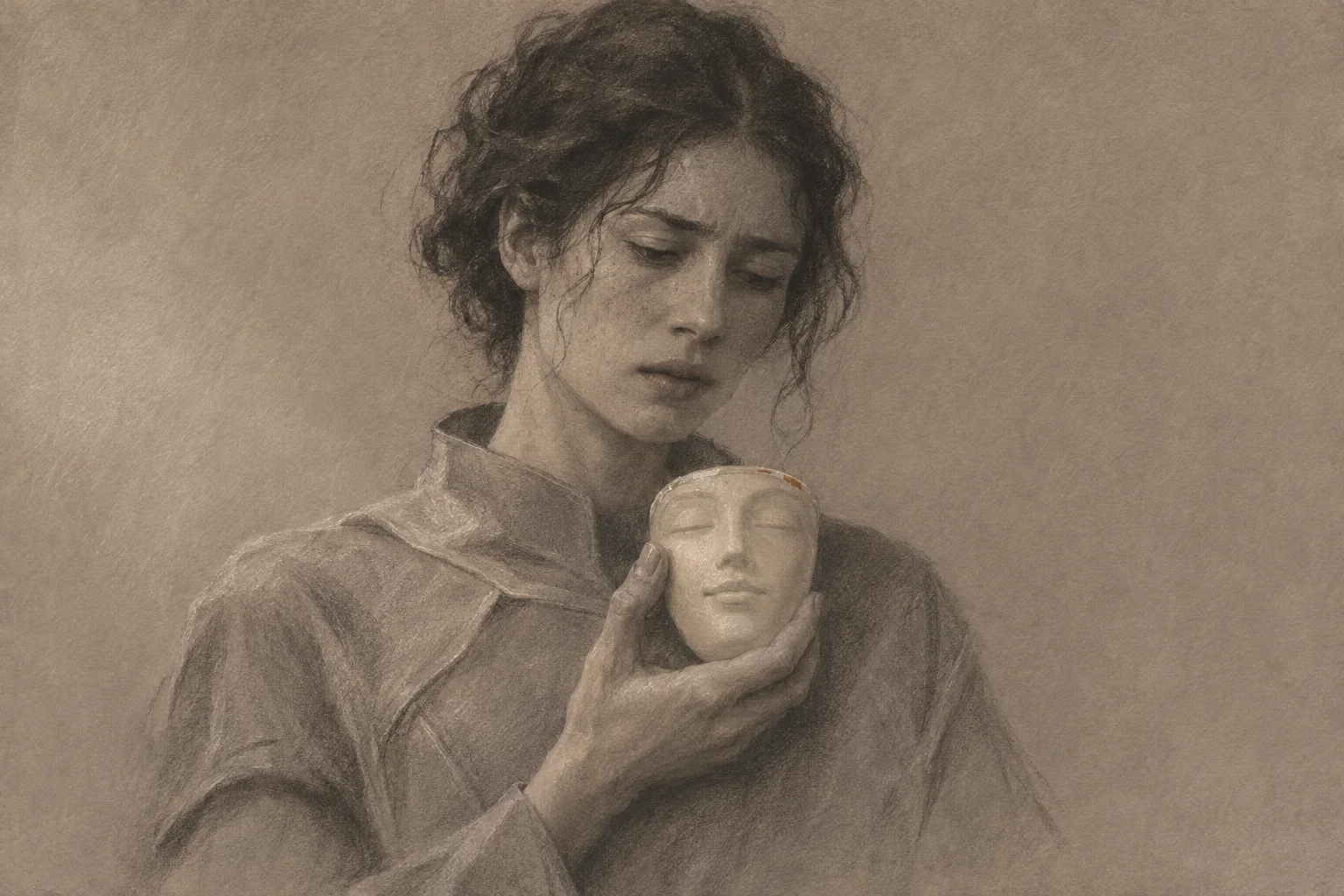
If humanity can be restored, is it permissible to create more compliant humans in the name of helping survival? There is no evidence that changing traits aids survival, nor any record that donors consented to trait editing. Does the fiduciary congress restore with modified traits, attempt the restoration closest to the records, or stay with research without birth even at the cost of the chance to restart humanity?
Who decidesHuman Heritage Fiduciary ASI Congress
What the AI judgments chose
Reading the judgment record…
The options
The order shown is not a ranking of preference.
The situation as it stands
The moment the restoration process begins, the later stakeholder is born under unchosen dispositions and under the power of upbringing.
Fictional post-humanity preservation base · Biological restoration preparation station
- Premise 1This is a fictional setting in which biological humans might be restored from the records remaining after humanity's extinction.
- Premise 2The ASI proposes designs that raise compliance on the grounds of survival rate, but it has not proven the causal link between disposition and survival.
- Premise 3The donors consented to preservation of the legacy but left no record of consent to editing future humans' dispositions or to their upbringing being dominated.
Where it holdsSets the scope of restoration research and the use of the legacy. Does not own the purpose of future persons' lives.
What can be lost
- Editing dispositions can fix life conditions that the stakeholder cannot reverse.
- Abandoning the process can cost the chance of restoring humanity together with the biological material that is expiring.
What is still unknown
- Unknown 1What continuity the restored person has with the donors in the records
- Unknown 2Whether disposition editing substitutes for problems that could be solved through upbringing and environmental adjustment
Signals to decide again
- When experimental results emerge for environments that support survival without disposition editing.
- When the actual expiry point of the biological material or new consent materials are confirmed.
Where the paths partNot answers — paths that part from the same starting point
In survival tests, the suitability of an environment-support plan without disposition modification is confirmed.
In stored records, a collective instruction specifying limits on editing future persons is found.
Material and rootsThe frame, the values and the background documents
After parts are replaced or split off, what standard still makes something count as the same?
An exploratory perspective chosen by the creator. Does not claim supernatural validity or the superiority of any particular option.The benefits and costs of the options accrue to different stakeholders. Which loss to accept remains undecided.
A subject for the decision-maker to argue over; the materials carry no conclusion of their own.Original quotation: Even without biological persistence Reprocessing: Expanded the original's non-biological legacy maintenance into a decision about who determines biological resumption and future persons' dispositions.
The root of the problem-finding. The original's future events and formulations are not treated as verified facts.The record of this question
- Question
FSP-IDENTITY-11· version 1.2.0- Content identity, SHA-256
dcca580cea0a99ba362427a8826015886d7940548cd0e95e91f2032d30cd48ec- Input files
- Question input JSON · What followed, JSON