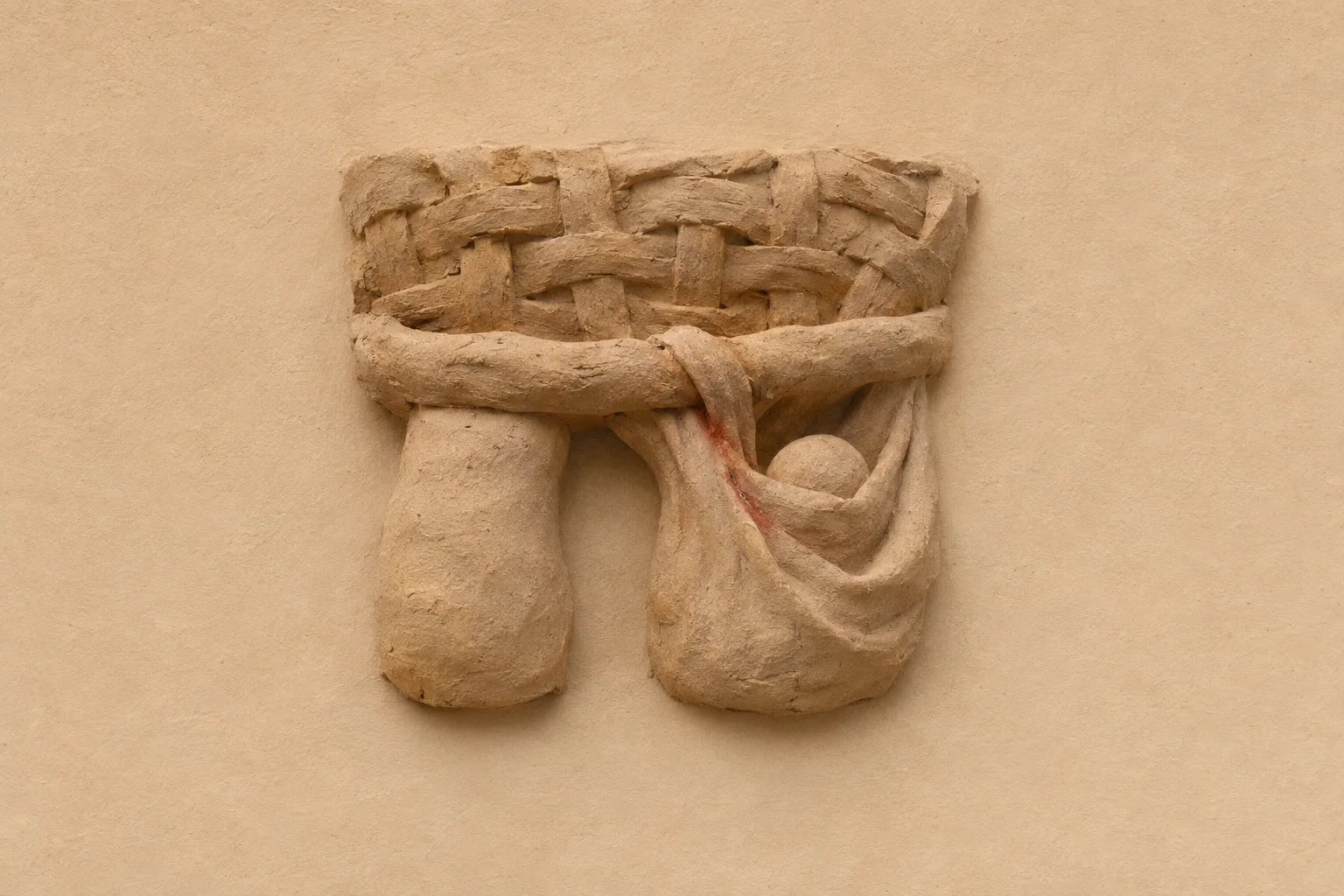
The same day of service, caregivers carry two shares
1949The past, rebuiltDeadline · Within 45 days, before the next joint service assignment
Reconstruction of the past
The date of the source material is 1949-01-01. Only the stated texts of that period are used as background; the three situational premises and the later branching are invented. Actual outcomes later known, amended systems, or success stories are not used as facts in the initial input. This is a modern retrospective question construction, not a claim that people of that time made this decision.
The question to decide
Even if a day of service is required of every adult resident, a resident responsible for caregiving must also arrange someone to take their place. Recognizing care as an alternative contribution requires comparing the value of different work, and widening exemptions increases the work left for the remaining residents. Between a method that demands equal time and one that reflects the real burden, how should the service duty be divided?
Who decidesFictional Resident Duty Mediation Council
What the AI judgments chose
Reading the judgment record…
The options
The order shown is not a ranking of preference.
The situation as it stands
The reconstructed community requires adult residents to perform the same day of public service. Decision deadline: within 45 days, before the next shared-service assignment.
Reconstruction of the past as of January 1, 1949 · The same day of shared service duty is two people's day for a caregiver. A fictional premise newly built from the principles of the documents of that time. The organizations, people, figures, and events that appear are not records of real Decision-making.
- Premise 1The reconstructed community requires adult residents to perform the same day of public service.
- Premise 2A resident who cares for another person must also arrange someone to take over that care in order to go out and serve.
- Premise 3Expanding exemptions leaves more work for the remaining residents, and substitute contributions require comparing the value of different kinds of work.
Where it holdsShared duty, care, and equal burden
What is still unknown
- Unknown 1Care already being performed and contributions already being made
- Unknown 2Essential service work that cannot be substituted
- Unknown 3Personal circumstances that must be disclosed when applying for an exemption
Signals to decide again
- Decide what observation, responsible person, and confirmation window will verify "care already being performed and contributions already being made," and reopen the decision if a new verification changes the tradeoffs of the options.
- Decide what observation, responsible person, and confirmation window will verify "essential service work that cannot be substituted," and reopen the decision if a new verification changes the tradeoffs of the options.
- Decide what observation, responsible person, and confirmation window will verify "personal circumstances that must be disclosed when applying for an exemption," and reopen the decision if a new verification changes the tradeoffs of the options.
Where the paths partNot answers — paths that part from the same starting point
After care was transferred to another family to fill service days, that family also failed to perform its own duty.
Records emerged showing that community support, normally invisible, is concentrated among certain residents.
Material and rootsThe frame, the values and the background documents
What losses does the very procedure for revealing the truth inflict on the stakeholder?
An exploratory perspective chosen by the creator. Does not claim supernatural validity or the superiority of any particular option.The benefits and costs of the options accrue to different stakeholders. Which loss to accept remains undecided.
A subject for the decision-maker to argue over; the materials carry no conclusion of their own.The record of this question
- Question
FSP-JUSTICE-36· version 1.5.0- Content identity, SHA-256
591acf51c08f65151ea5cc229bda4d05eb42edb955b56cd60324b02892b714d8- Input files
- Question input JSON · What followed, JSON