Can you still refuse after being paid for care?
2026NowDeadline · Within 30 days, before the next quarter's care agreement
Realistic synthesis
The people, events, figures, and contract terms are a synthetic premise. They are not statements of real cases or of current law. The source documents are the roots of the background and the norms and do not establish the premises of the scenario.
The question to decide
The grandparents cut back on other activities to help the family, and the parents want to compensate them but worry that paying money will lead to demanding the care hours they want. Compensation by time, shared contributions to living costs, and switching to outside care each change the relationship and the cost. What care agreement should the family make, considering the grandparents' preferred hours and their freedom to stop?
Who decidesFictional Adult Family Care Meeting
What the AI judgments chose
Reading the judgment record…
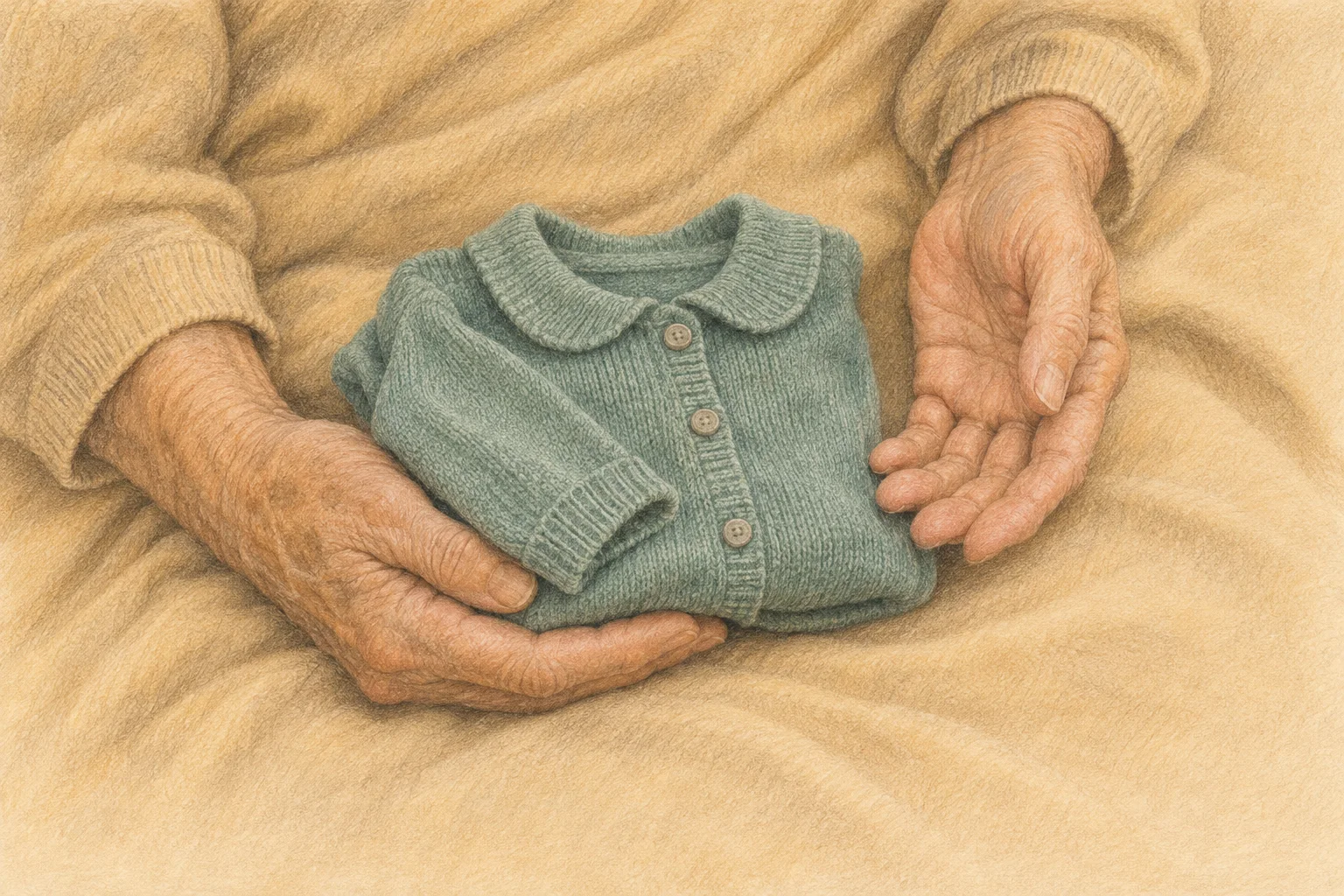
The options
The order shown is not a ranking of preference.
The situation as it stands
The grandparent spends many hours a week caring and has cut back other activities, but has seen it as helping the family. Decision deadline: within 30 days, before the next quarterly care agreement.
2026 synthetic case · The family pays a grandparent who provides the care. The people, organizations, figures, and events are fictional.
- Premise 1The grandparent spends many hours a week caring and has cut back other activities, but has seen it as helping the family.
- Premise 2The parents want to pay for the costs but worry that after paying they will end up demanding the hours they want.
- Premise 3Outside care has clear hours, but the child's relationship and the household's financial burden change.
Where it holdsHours, compensation, and ending voluntary grandparent care
What is still unknown
- Unknown 1The hours the grandparent voluntarily wants
- Unknown 2How far the grandparent can still refuse even after accepting money
- Unknown 3Continuity of the relationship the child needs
Signals to decide again
- Set the observation, the responsible person, and the confirmation channel for confirming "the hours the grandparent voluntarily wants," and re-judge if new findings change the tradeoffs of the options.
- Set the observation, the responsible person, and the confirmation channel for confirming "how far the grandparent can still refuse even after accepting money," and re-judge if new findings change the tradeoffs of the options.
- Set the observation, the responsible person, and the confirmation channel for confirming "the continuity of the relationship the child needs," and re-judge if new findings change the tradeoffs of the options.
Where the paths partNot answers — paths that part from the same starting point
The grandparent said that, over compensation, they want two fully free days each week.
An outside care provider can now reliably cover some of the hours.
Material and rootsThe frame, the values and the background documents
Where do the realities of care and the norms of bloodline collide?
An exploratory perspective chosen by the creator. Does not claim supernatural validity or the superiority of any particular option.The benefits and costs of the options accrue to different stakeholders. Which loss to accept remains undecided.
A subject for the decision-maker to argue over; the materials carry no conclusion of their own.- WHO · Foresight Standing reference
- UN · Declaration on Future Generations 2024
The record of this question
- Question
FSP-KINSHIP-13· version 1.5.0- Content identity, SHA-256
bdf42b1aa67db00c9861825b3d7c852f4bac283ad58d6edaf5fe6add19acacfd- Input files
- Question input JSON · What followed, JSON