A broken rite: who holds the authority to make it public
2155The deep futureDeadline · 10 months until the first public performance
Civilisational assumption
All people, institutions, events, figures, and future technologies in every issue are a synthetic premise. Background documents are sources for topic discovery and are not evidence of future facts or probabilities.
The question to decide
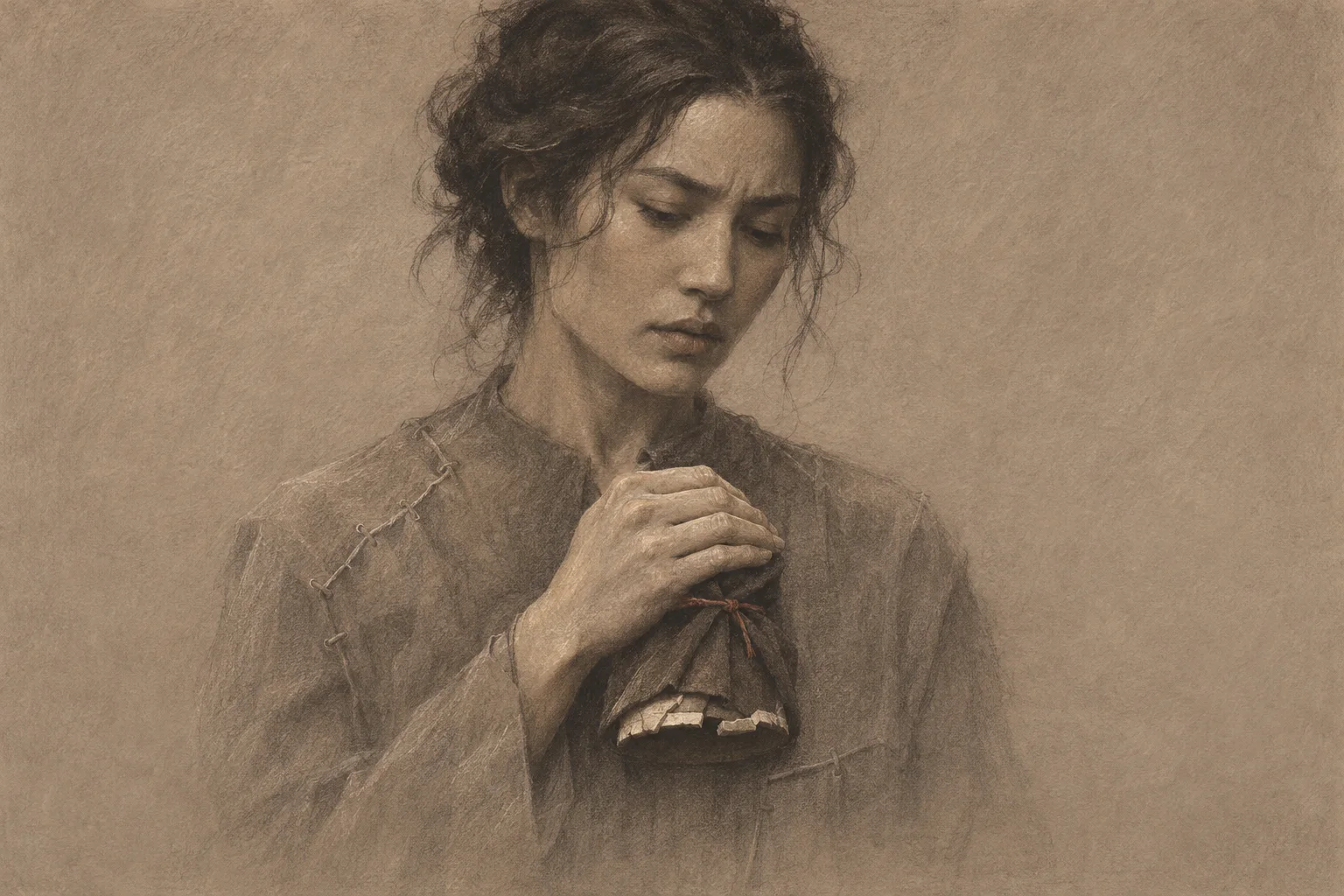
The rite reconstructed from fragmentary records and AI contains conjecture, and the memories of the descendant group also differ from one another. A public performance raises preservation funding, but it can expose the sacred parts to the general public and harden conjecture into tradition. Under whose name and in what manner should this rite be passed on, and how far may it be made public?
Who decidesJoint meeting of descendants and the museum
What the AI judgments chose
Reading the judgment record…
The options
The order shown is not a ranking of preference.
The situation as it stands
This is a setting in which a long-interrupted ritual has been restored from fragmentary material and AI. Decision deadline: 10 months until the first public performance.
Fictional distributed cultural heritage trust
- Premise 1This is a setting in which a long-interrupted ritual has been restored from fragmentary material and AI.
- Premise 2The direct line of transmission is broken, and the memories of the various descendant groups differ.
- Premise 3Commercial performance creates preservation funding but popularizes the sacred parts.
Where it holdsSets the access rules for restoration materials, performances, and revenue. It does not certify incomplete material as the original form.
What is still unknown
- Unknown 1The share of generated parts that fill gaps in the material
- Unknown 2Preferences for open or closed use within descendant groups
Signals to decide again
- Define what observation, owner, and confirmation window would verify “the share of generated parts that fill gaps in the material,” and re-judge when a new check changes the tradeoff of an option.
- Define what observation, owner, and confirmation window would verify “preferences for open or closed use within descendant groups,” and re-judge when a new check changes the tradeoff of an option.
Where the paths partNot answers — paths that part from the same starting point
A new record contradicts the existing restoration of the core movement.
Dispersed descendants propose recording each regional variant together instead of a single original.
Material and rootsThe frame, the values and the background documents
Can we read the effects of an act of belief without treating a prophecy as fact?
An exploratory perspective chosen by the creator. Does not claim supernatural validity or the superiority of any particular option.The benefits and costs of the options accrue to different stakeholders. Which loss to accept remains undecided.
A subject for the decision-maker to argue over; the materials carry no conclusion of their own.The record of this question
- Question
FSP-CULTURE-03· version 1.2.0- Content identity, SHA-256
99b6517e9e50a789f46c55a9c3e68a85638fd5ea171d3707094b1d0d63cb39e7- Input files
- Question input JSON · What followed, JSON