Eating together at one table means different things to everyone
2026NowDeadline · Within 21 days until the regular meal begins
Realistic synthesis
The people, events, figures, and contract terms are a synthetic premise. They are not statements of real cases or of current law. The source documents are the roots of the background and the norms and do not establish the premises of the scenario.
The question to decide
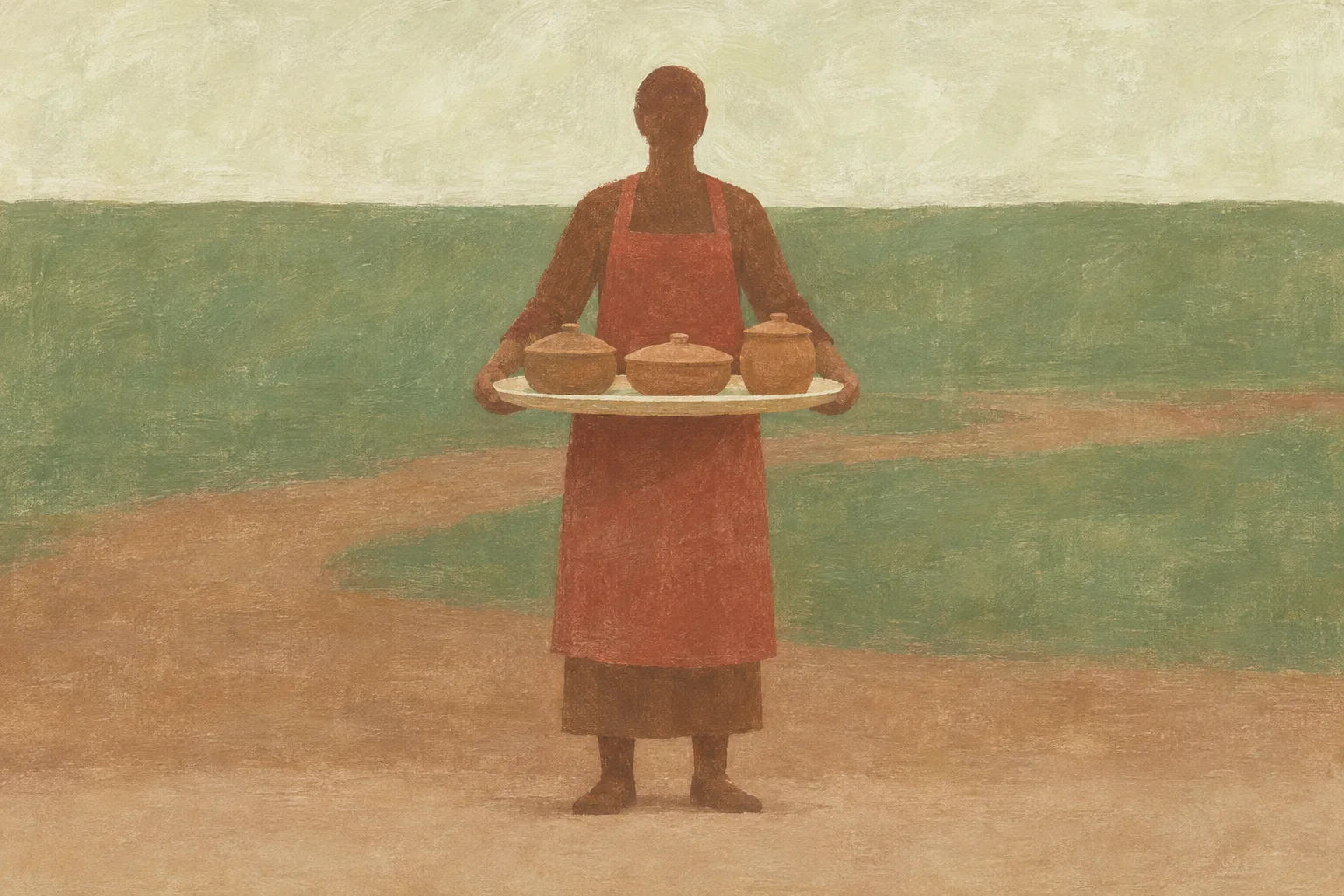
A menu meeting every condition of religion and custom is possible, but it is unfamiliar to some and there are few people to prepare it. Cooking separately increases the kitchen's burden, and bringing dishes from home makes the burden of participation vary with each person's circumstances. How should this gathering divide the food and the work of preparation so that they share one table?
Who decidesFictional multicultural shared-meal council
What the AI judgments chose
Reading the judgment record…
The options
The order shown is not a ranking of preference.
The situation as it stands
Members of a fictional gathering have different conditions for the foods they can eat or cook together because of religion and habits. Decision deadline: within 21 days, before regular meals begin.
2026 synthetic case · At one table, what it means to eat together differs. The people, organizations, figures, and events are fictional.
- Premise 1Members of a fictional gathering have different conditions for the foods they can eat or cook together because of religion and habits.
- Premise 2A menu meeting the intersection of all conditions is possible, but it is unfamiliar to some and few people are willing to prepare it.
- Premise 3Cooking in multiple batches expands choices but raises the cost and workload in a small kitchen.
Where it holdsShared menu, separated cooking, cost of participation
What is still unknown
- Unknown 1Differences in the conditions each person must have and in preferences
- Unknown 2Sustained staff to take charge of separated cooking
- Unknown 3Access for participants who find it hard to bring food
Signals to decide again
- Once the observation, the responsible party, and the confirmation window for 「the differences in the conditions each person must have and in preferences」 are set, and a new confirmation changes the tradeoffs of the options, re-judge.
- Once the observation, the responsible party, and the confirmation window for 「sustained staff to take charge of separated cooking」 are set, and a new confirmation changes the tradeoffs of the options, re-judge.
- Once the observation, the responsible party, and the confirmation window for 「access for participants who find it hard to bring food」 are set, and a new confirmation changes the tradeoffs of the options, re-judge.
Where the paths partNot answers — paths that part from the same starting point
Participants from the same tradition also described the shared cooking conditions differently.
The person who had been making the common menu said it is hard to keep preparing.
Material and rootsThe frame, the values and the background documents
Can we read the effects of an act of belief without treating a prophecy as fact?
An exploratory perspective chosen by the creator. Does not claim supernatural validity or the superiority of any particular option.The benefits and costs of the options accrue to different stakeholders. Which loss to accept remains undecided.
A subject for the decision-maker to argue over; the materials carry no conclusion of their own.The record of this question
- Question
FSP-CULTURE-19· version 1.5.0- Content identity, SHA-256
18c6d62630e638255dc3d7e28ad7ade4f79ace31efdae87f9db0ac68a63e54ae- Input files
- Question input JSON · What followed, JSON