A harvest and a festival on one plot
2026NowDeadline · Within 60 days until the next lease contract
Realistic synthesis
The people, events, figures, and contract terms are a synthetic premise. They are not statements of real cases or of current law. The source documents are the roots of the background and the norms and do not establish the premises of the scenario.
The question to decide
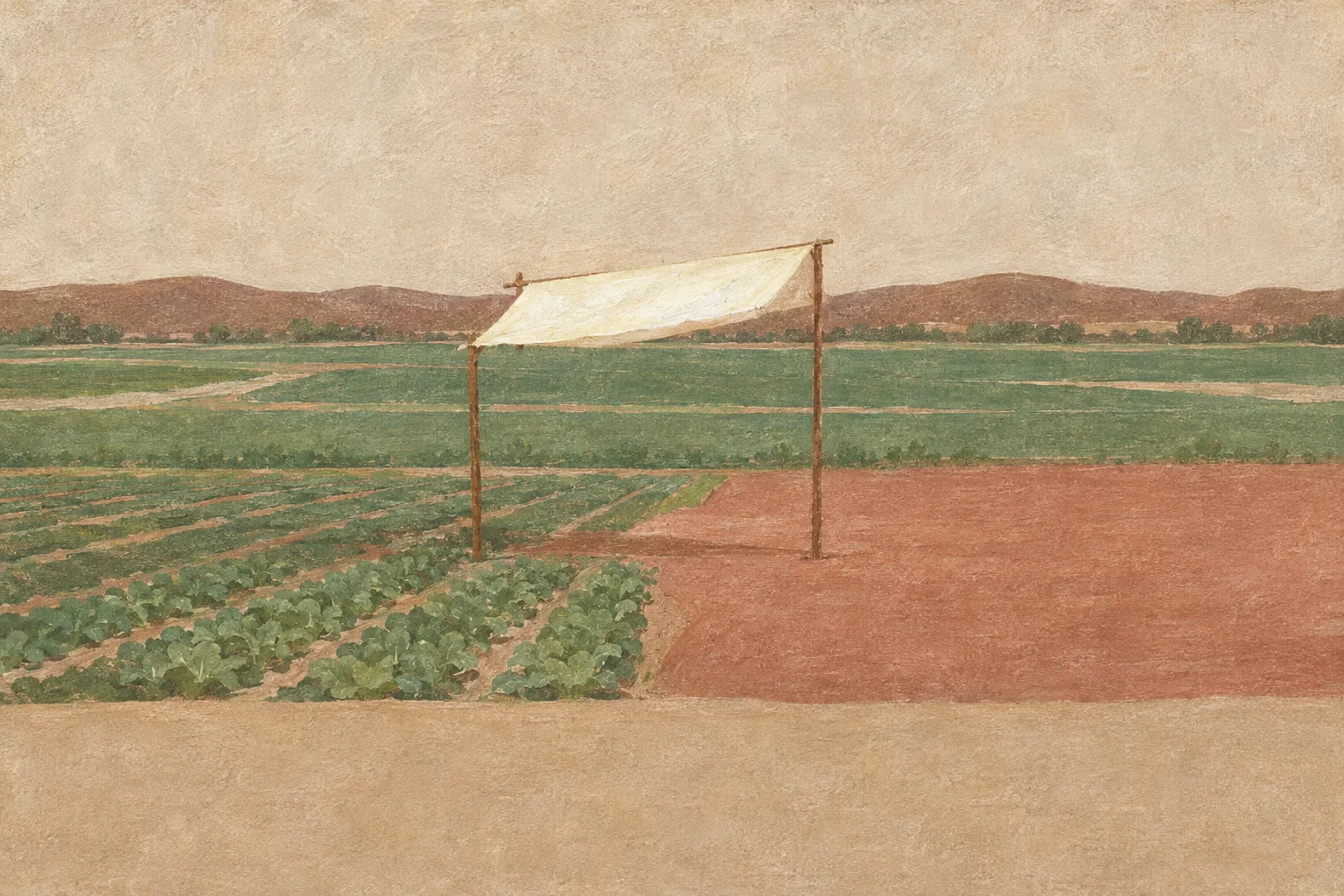
This farmland supplies part of the region's food even if it does not earn large profits. A cultural event can raise income and meetings, but running it alongside cultivation causes schedule conflicts, and installing long-term facilities can raise the cost of restoring the land to farmland. Should the cooperative keep farming this land, share it with events, or turn it into a cultural space?
Who decidesFictional farmland owning cooperative general meeting
What the AI judgments chose
Reading the judgment record…
The options
The order shown is not a ranking of preference.
The situation as it stands
The farmland supplies part of the local food, but does not generate large returns. Decision deadline: within 60 days, before the next lease contract.
2026 synthetic case · One parcel of farmland is wanted by both food production and a local festival space. The people, organizations, figures, and events are fictional.
- Premise 1The farmland supplies part of the local food, but does not generate large returns.
- Premise 2Cultural events can increase shared income and gatherings, but affect the cultivation schedule and soil restoration.
- Premise 3Installing long-term facilities can raise the cost of using the land as farmland again.
Where it holdsCultivation, cultural events, and restoration conditions for shared farmland
What is still unknown
- Unknown 1Actual restoration cost of soil and facilities after events
- Unknown 2Alternative supply when cultivation is reduced
- Unknown 3Shared space functions residents prioritize
Signals to decide again
- Decide what observations, staff, and confirmation windows will verify the "actual restoration cost of soil and facilities after events," and rejudge when new findings change the tradeoffs among the options.
- Decide what observations, staff, and confirmation windows will verify the "alternative supply when cultivation is reduced," and rejudge when new findings change the tradeoffs among the options.
- Decide what observations, staff, and confirmation windows will verify the "shared space functions residents prioritize," and rejudge when new findings change the tradeoffs among the options.
Where the paths partNot answers — paths that part from the same starting point
Records showed that restoration after temporary events took longer than expected.
A nearby non-agricultural site was offered as a short-term cultural space.
Material and rootsThe frame, the values and the background documents
How is today's harvest traded for next season's options?
An exploratory perspective chosen by the creator. Does not claim supernatural validity or the superiority of any particular option.The benefits and costs of the options accrue to different stakeholders. Which loss to accept remains undecided.
A subject for the decision-maker to argue over; the materials carry no conclusion of their own.The record of this question
- Question
FSP-FOOD-17· version 1.5.0- Content identity, SHA-256
8182edd651f5927ed2548c316c9f6049126d470ddb02e54b811ee19f7ef9bf3e- Input files
- Question input JSON · What followed, JSON