Collecting a work made to disappear
2026NowDeadline · Within 30 days, before the exhibition closes
Realistic synthesis
The people, events, figures, and contract terms are a synthetic premise. They are not statements of real cases or of current law. The source documents are the roots of the background and the norms and do not establish the premises of the scenario.
The question to decide
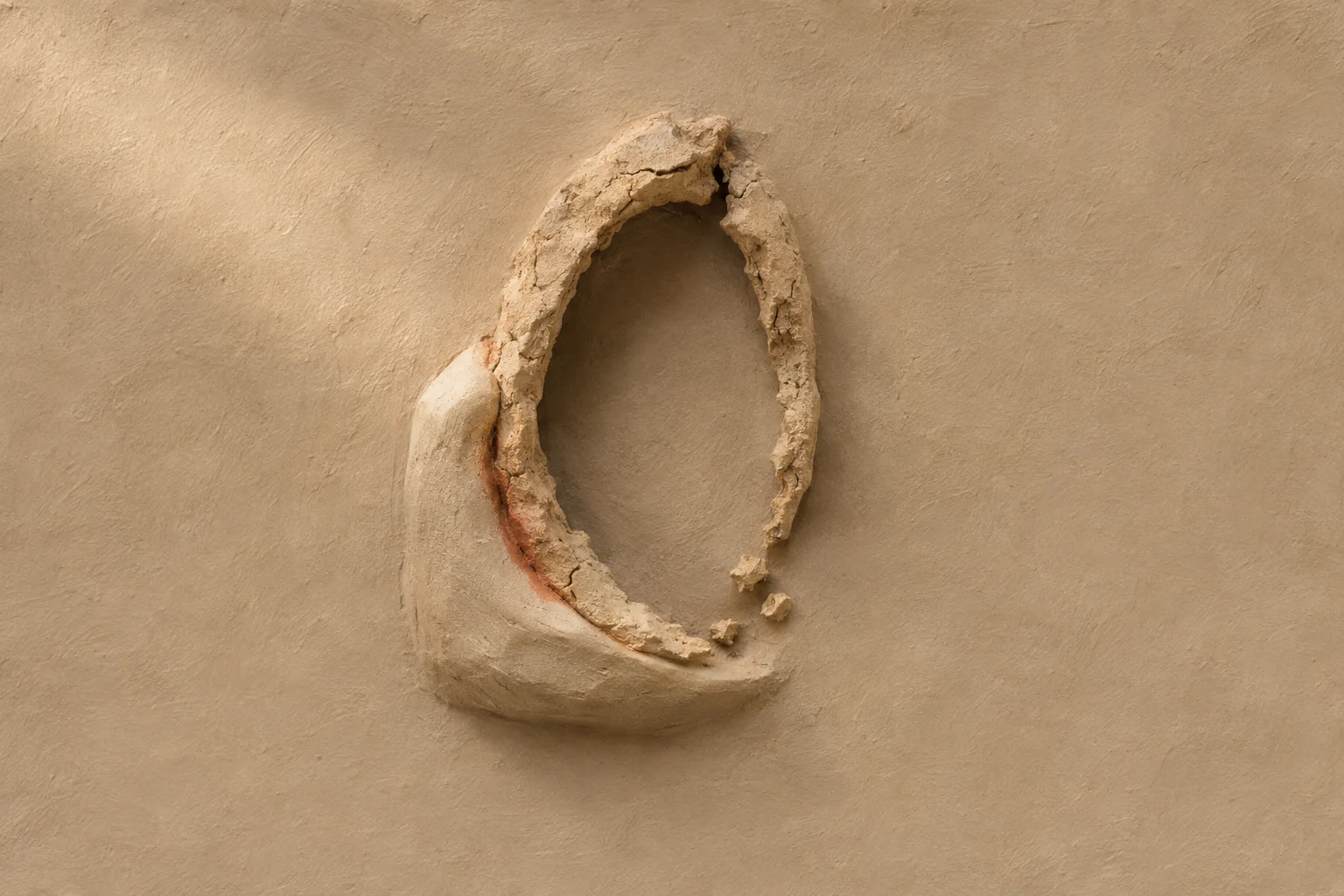
The artist describes the work as one made to lose its form over time, but the collection contract does not state where that end lies. Preserving it lets more audiences see it, but the work's meaning changes. Should the museum watch the natural change unfold, keep the current form, or document the process of change and bring the work to an end?
Who decidesFictional museum directors' meeting
What the AI judgments chose
Reading the judgment record…
The options
The order shown is not a ranking of preference.
The situation as it stands
There is the artist's explanation that a fictional installation was made to change over time and eventually lose its form. Decision deadline: within 30 days of the end of the exhibition.
2026 synthetic scenario · A museum preserves a work the artist made to disappear. The people, organizations, figures, and events are fictional.
- Premise 1There is the artist's explanation that a fictional installation was made to change over time and eventually lose its form.
- Premise 2The purchase documents stated only that the work would be collected and did not clearly fix the end of the change.
- Premise 3Preserving it lets more audiences see it but changes the original expression in time.
Where it holdsEphemeral work, the artist's intent, the acquisition contract
What is still unknown
- Unknown 1What the artist said about collection and termination
- Unknown 2The core experience audiences should have with the work
- Unknown 3The degree to which preservation interventions are reversible
Signals to decide again
- Decide what observation, responsible person, and confirmation channel will verify 'what the artist said about collection and termination,' and re-judge when new confirmation changes the tradeoffs of the options.
- Decide what observation, responsible person, and confirmation channel will verify 'the core experience audiences should have with the work,' and re-judge when new confirmation changes the tradeoffs of the options.
- Decide what observation, responsible person, and confirmation channel will verify 'the degree to which preservation interventions are reversible,' and re-judge when new confirmation changes the tradeoffs of the options.
Where the paths partNot answers — paths that part from the same starting point
The artist explained that the same work could be remade at another location.
A donor objected, saying they understood at the time of purchase that the physical object would be preserved permanently.
Material and rootsThe frame, the values and the background documents
When play becomes the center of life, who has the right to change the rules?
An exploratory perspective chosen by the creator. Does not claim supernatural validity or the superiority of any particular option.The benefits and costs of the options accrue to different stakeholders. Which loss to accept remains undecided.
A subject for the decision-maker to argue over; the materials carry no conclusion of their own.The record of this question
- Question
FSP-PLAY-22· version 1.5.0- Content identity, SHA-256
c3e6951212c6d77bdf646047f076bef7a2e7efe0c86e35814316315957440bda- Input files
- Question input JSON · What followed, JSON