The cost of the work that stays in the body after leaving
2127The deep futureDeadline · Within 6 months until the new field contract
Civilisational assumption
The people, events, figures, and contract terms are a synthetic premise. They are not statements of real cases or of current law. The source documents are the roots of the background and the norms and do not establish the premises of the scenario.
The question to decide
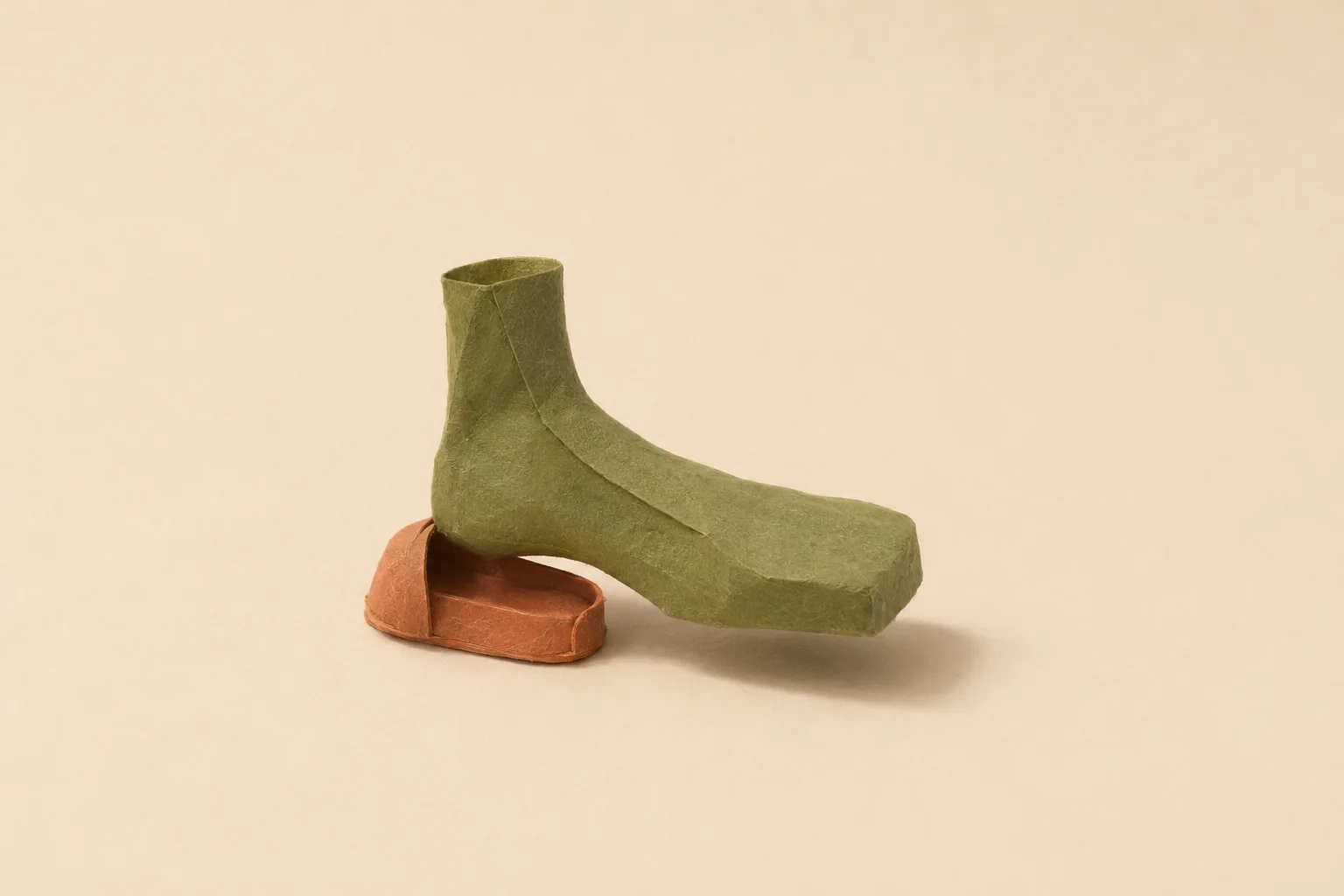
Suppose changing your body to fit the work widens what you can do but costs money to readapt to everyday life after leaving, and it is uncertain whether you can fully return. Should the organization take on the long-term responsibility, should the individual choose and be compensated in advance, or should the work be redesigned to be slower and narrower so the body is not changed—what cost is acceptable?
Who decidesFictional environmental adaptation labor council
What the AI judgments chose
Reading the judgment record…
The options
The order shown is not a ranking of preference.
The situation as it stands
In the assumed setting, using special bodily adaptation widens the range of activity, but creates the cost of readapting to everyday surroundings after leaving the job. Decision deadline: within 6 months, before the new site contract.
A synthetic scenario set in 2127 · The cost of reversing a body adapted for the work comes after leaving the job. The events, figures, technology, and nature of the civilization are assumptions for the question, not predictions or observed facts.
- Premise 1In the assumed setting, using special bodily adaptation widens the range of activity, but creates the cost of readapting to everyday surroundings after leaving the job.
- Premise 2Whether one can return fully to the original state is uncertain for each individual.
- Premise 3A work design without changes is possible, but the assumption is that work speed and range decrease.
Where it holdsAssumed bodily adaptation, departure, and recovery costs
What is still unknown
- Unknown 1Changes that persist after the job ends
- Unknown 2A means to carry responsibility when the organization disappears
- Unknown 3Equivalent employment terms available even if the change is refused
Signals to decide again
- Decide what observation, owner, and verification window can confirm 「changes that persist after the job ends」, and re-judge when new verification changes the tradeoffs of the options.
- Decide what observation, owner, and verification window can confirm 「a means to carry responsibility when the organization disappears」, and re-judge when new verification changes the tradeoffs of the options.
- Decide what observation, owner, and verification window can confirm 「equivalent employment terms available even if the change is refused」, and re-judge when new verification changes the tradeoffs of the options.
Where the paths partNot answers — paths that part from the same starting point
A change favorable to the work left sensations in daily life that the stakeholder did not want.
A trial showed that the actual production loss from the design without changes is smaller than first estimated.
Material and rootsThe frame, the values and the background documents
How does the community justify time not worked?
An exploratory perspective chosen by the creator. Does not claim supernatural validity or the superiority of any particular option.The benefits and costs of the options accrue to different stakeholders. Which loss to accept remains undecided.
A subject for the decision-maker to argue over; the materials carry no conclusion of their own.The record of this question
- Question
FSP-WORK-35· version 1.5.0- Content identity, SHA-256
4093505832fa1bd5aca9c050e290c9920c115598d76d3cfb65c55906434d4809- Input files
- Question input JSON · What followed, JSON