Before the Count: Public Decisions on Epidemics and What Their Records Allow, c. 1600 BC – AD 2020
When a public body acts on disease — to close a gate, count the dead, try a remedy, notify or declare — what was established at the hour it acted? This study reads twenty-three cases from Skeptron's epidemic histories, from the Edwin Smith Papyrus to the World Health Organization's characterisation of COVID-19 as a pandemic in 2020, beside the texts their actors wrote, and codes all 89 of the archive's medicine, disaster and industrial cases on the same fields, against predictions registered before the reading. It finds that acts came before proof; that the records date the gap between an event and its notice, count or settled cause a little more often than not, but seldom name who bore the cost while the act waited; and that one case among the twenty-three satisfies all four conditions a later reader would need to judge an act in its own time. Five of its seven predictions failed on the registered reading. The study does not say that any act was right or wrong.
Episodes
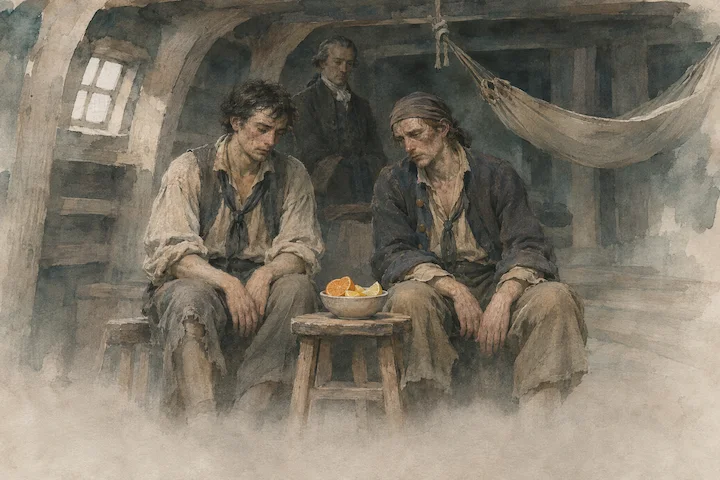 Episode 1Twelve Sailors and One Boy: What Two Trial Reports Claimed
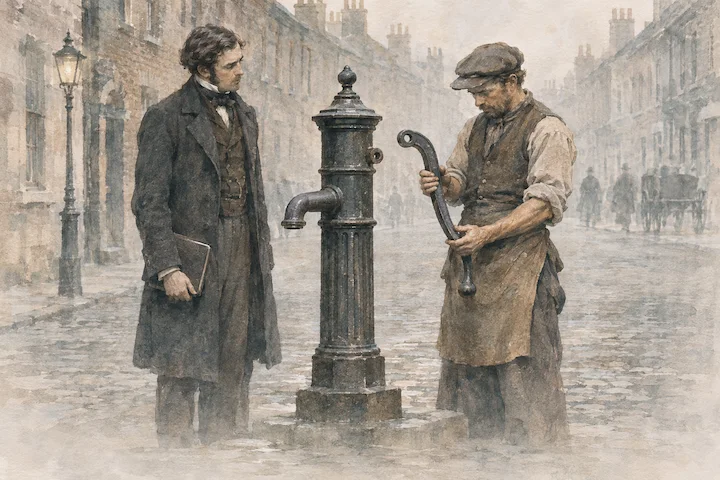 Episode 2Persuading the Authorities: Meister and the Broad Street Handle
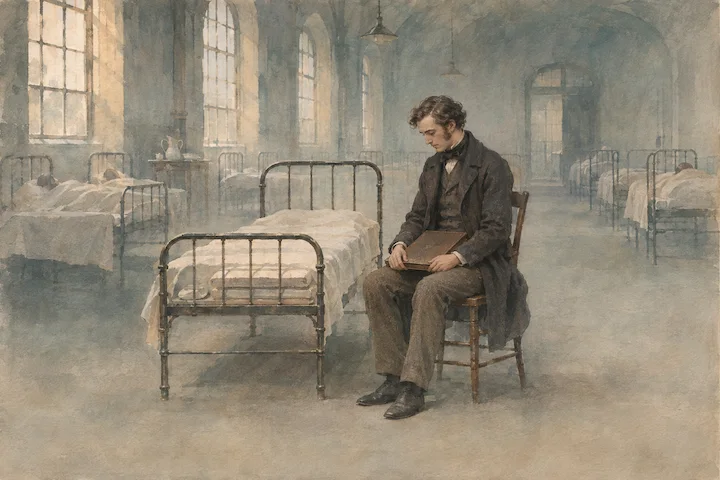 Episode 3What Counts as a Death: Graunt's Bills and Nightingale's Diagram
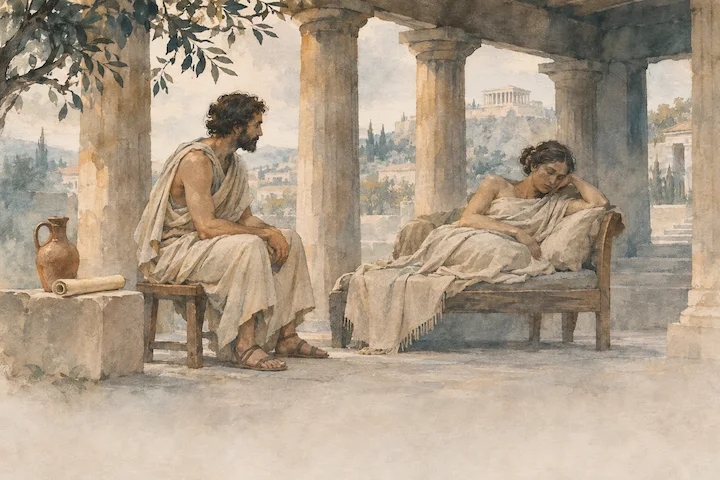 Episode 4Written to Be Recognised: Athens 430 BC and Florence 1348
 Episode 5By Command: the Ordinance of Labourers and the Dongui Bogam
 Episode 6A Common Text: the WHO Constitution and Polio Certification
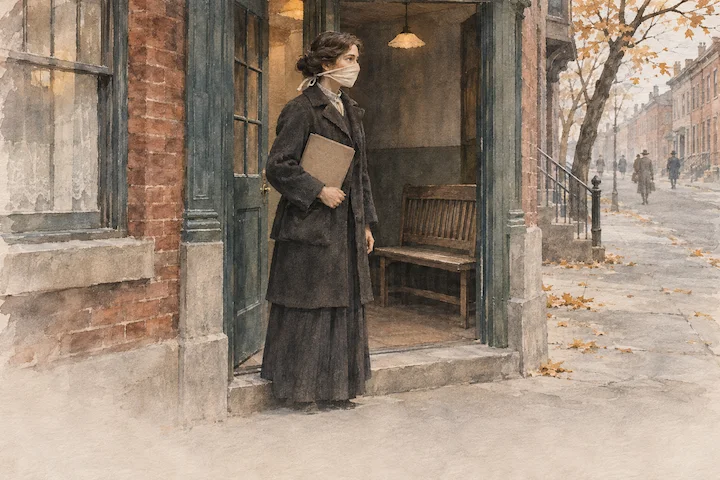 Episode 7Signs Before the Order: Philadelphia 1918 and COVID-19 2020