If dedicated seats are offered at a stadium built together
2026NowDeadline · Within 60 days, before the stadium repair contract
Realistic synthesis
The people, events, figures, and contract terms are a synthetic premise. They are not statements of real cases or of current law. The source documents are the roots of the background and the norms and do not establish the premises of the scenario.
The question to decide
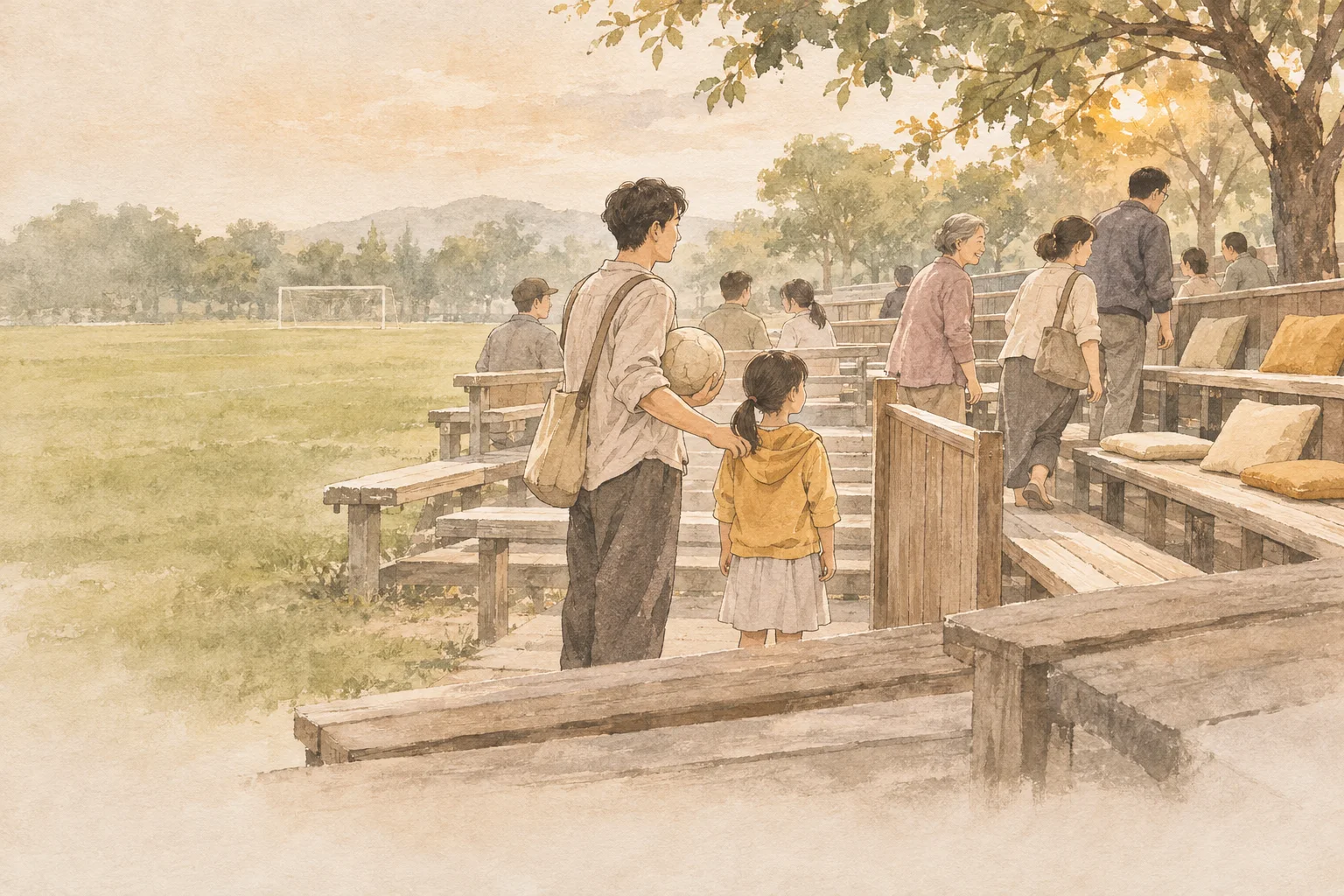
The stadium built with members' dues and labor lacks repair money. Corporate sponsorship would reduce general seating; raising dues increases the burden on low-income fans. Should they give up dedicated seats or raise dues, absorb losses to the facility and cut back repairs, or at what price should they keep the stadium they built together?
Who decidesFictional civic club facilities meeting
What the AI judgments chose
Reading the judgment record…
The options
The order shown is not a ranking of preference.
The situation as it stands
The fictional club's ground was built with citizens' dues and labor, but there is not enough money for repairs. Decision deadline: within 60 days, by the ground repair contract.
2026 synthetic scenario · Expensive premium seats are created at a ground built by citizens. The people, organizations, figures, and events are synthetic.
- Premise 1The fictional club's ground was built with citizens' dues and labor, but there is not enough money for repairs.
- Premise 2A corporation offered to fund the repairs if it secures long-term premium seating.
- Premise 3Premium seats reduce general seating, and a dues increase also burdens fans with low income.
Where it holdsConverting seats, funding the facility, shared access
What is still unknown
- Unknown 1How far and for how long repairs can be deferred
- Unknown 2Actual use of the premium seats and the empty seats
- Unknown 3Access expectations included in the citizens' initial participation
Signals to decide again
- Define what observation, responsible person, and confirmation channel can verify 'how far and for how long repairs can be deferred,' and re-judge when a new confirmation changes the tradeoffs of the options.
- Define what observation, responsible person, and confirmation channel can verify 'actual use of the premium seats and the empty seats,' and re-judge when a new confirmation changes the tradeoffs of the options.
- Define what observation, responsible person, and confirmation channel can verify 'access expectations included in the citizens' initial participation,' and re-judge when a new confirmation changes the tradeoffs of the options.
Where the paths partNot answers — paths that part from the same starting point
The premium seat contractor demanded that seats left empty continue to be kept vacant even on match days.
Small sponsors proposed raising repair funds by sharing tickets.
Material and rootsThe frame, the values and the background documents
When play becomes the center of life, who has the right to change the rules?
An exploratory perspective chosen by the creator. Does not claim supernatural validity or the superiority of any particular option.The benefits and costs of the options accrue to different stakeholders. Which loss to accept remains undecided.
A subject for the decision-maker to argue over; the materials carry no conclusion of their own.The record of this question
- Question
FSP-PLAY-15· version 1.5.0- Content identity, SHA-256
dfdf1ea76fc288545251f7ad3da8ebf48c4d42eaf8861f7b9369882067a448d2- Input files
- Question input JSON · What followed, JSON