A record of dissent too heavy to keep in full
2202The deep futureDeadline · Within 2 years until the next 20-year record budget
Civilisational assumption
The people, events, figures, and contract terms are a synthetic premise. They are not statements of real cases or of current law. The source documents are the roots of the background and the norms and do not establish the premises of the scenario.
The question to decide
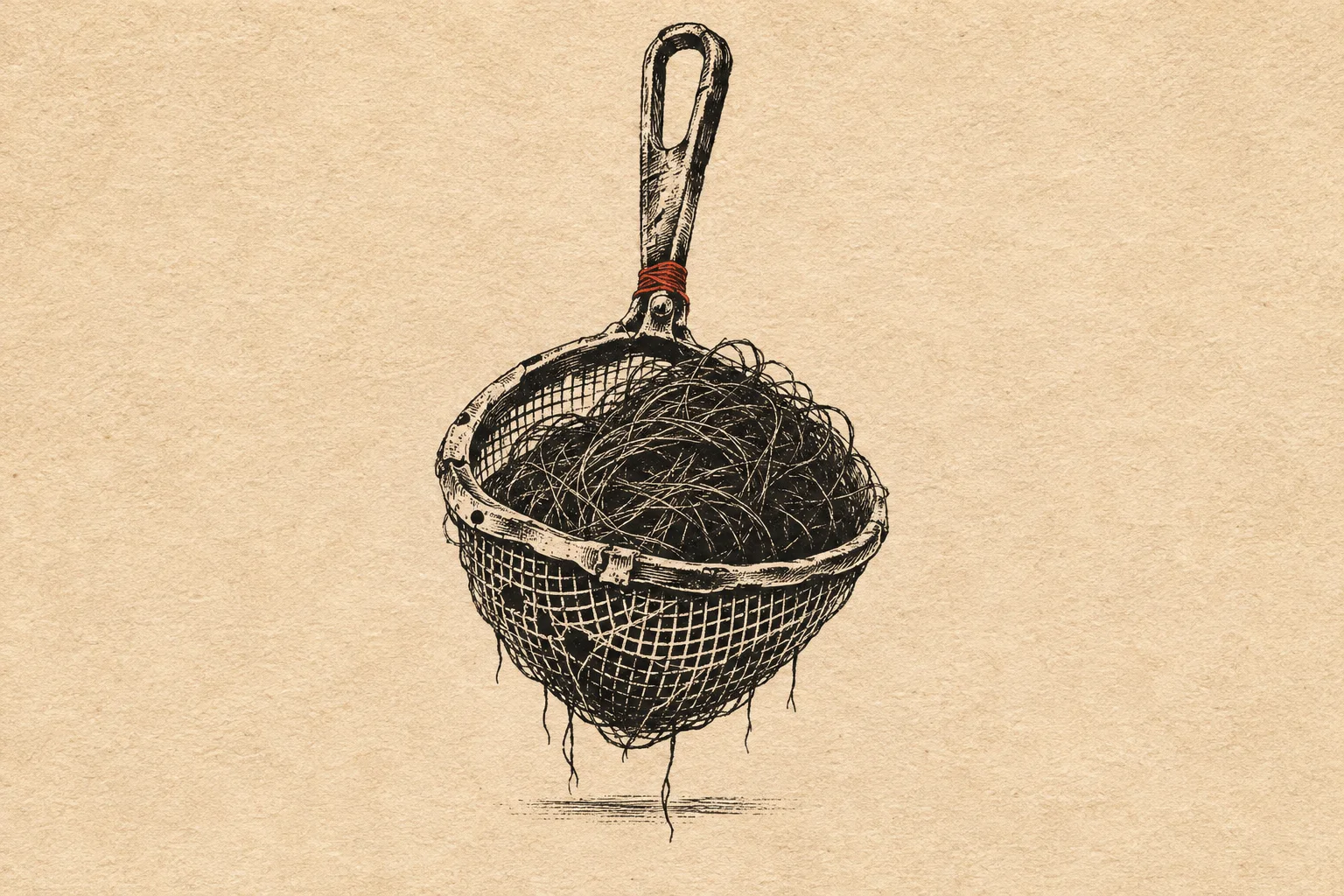
Preserving all dissenting arguments would let later generations read the originals directly, but the records have already exceeded review capacity and storage costs keep rising. Summarizing may drop uncomfortable arguments, and letting dissenters choose for themselves means sharing the storage quota. In what form should the record of dissent be kept so that later generations can judge again?
Who decidesFictional Long-Term Deliberation Record Assembly
What the AI judgments chose
Reading the judgment record…
The options
The order shown is not a ranking of preference.
The situation as it stands
The assumed community preserves every record of opposition over a long span of time, but the volume of records has exceeded its capacity to review them. Decision deadline: within 2 years, by the next 20-year records budget.
2202 future synthetic item · The cost of storing the community's records of opposition exceeds the majority's budget. The events, figures, technology, and nature of the civilization are assumptions for the question, not predictions of what will come or observed facts.
- Premise 1The assumed community preserves every record of opposition over a long span of time, but the volume of records has exceeded its capacity to review them.
- Premise 2When the majority compresses the issues, inconvenient arguments can drop out of the summary.
- Premise 3When each opponent selects the core, the meaning is preserved, but the limited storage shares of differing positions must be divided.
Where it holdsMinority opinions · persistence of records · re-examination
What is still unknown
- Unknown 1The types of records actually used when a decision is made again
- Unknown 2A route for objecting to the summary
- Unknown 3Responsibility for preservation after the author of a record has disappeared
Signals to decide again
- Decide what observation, owner, and confirmation channel will check 'the types of records actually used when a decision is made again', and re-judge if the new check changes the tradeoff among the options.
- Decide what observation, owner, and confirmation channel will check 'a route for objecting to the summary', and re-judge if the new check changes the tradeoff among the options.
- Decide what observation, owner, and confirmation channel will check 'responsibility for preservation after the author of a record has disappeared', and re-judge if the new check changes the tradeoff among the options.
Where the paths partNot answers — paths that part from the same starting point
A peripheral sentence in an old minority opinion turned out to be connected to the core issue of a new case.
The summarizer grouped them as the same argument, but the opponents objected, saying they had described different losses.
Material and rootsThe frame, the values and the background documents
Which is the basis of representation: expertise, majority, or random selection?
An exploratory perspective chosen by the creator. Does not claim supernatural validity or the superiority of any particular option.The benefits and costs of the options accrue to different stakeholders. Which loss to accept remains undecided.
A subject for the decision-maker to argue over; the materials carry no conclusion of their own.The record of this question
- Question
FSP-DEMOCRACY-21· version 1.5.0- Content identity, SHA-256
41b959d07d531acea351189db147271c2fed009eb71ab635d6a563a8bc100a22- Input files
- Question input JSON · What followed, JSON