The representative's term ends, the work remains
1949The past, rebuiltDeadline · Within 30 days until the representative's term ends
Reconstruction of the past
The material reference date is November 26, 1949. Only the stated texts from that time are used as background; the three situational premises and the later branches are fictional. Real outcomes, amended systems, and success cases known later are not treated as facts of the initial input. This is a modern retrospective framing, and it is not a claim that people at the time made this decision.
The question to decide
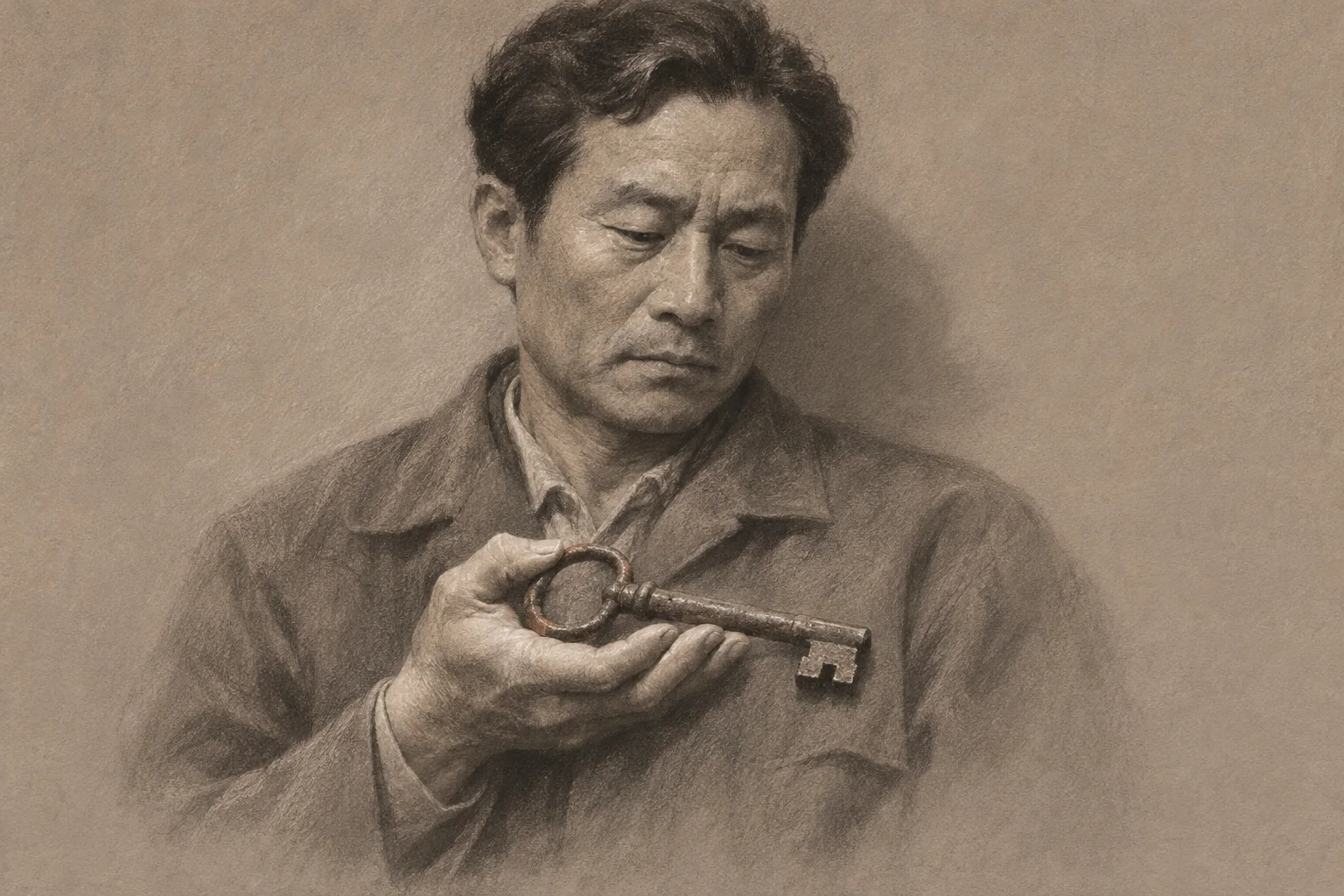
A trusted representative asks for one extension of the term until the remaining work is finished. Replacing them as scheduled can lose experience and relationships, but extending ties the time of handing over authority to the end of the work. If splitting the authority for handover can also blur responsibility, how should the General Assembly handle the end of this term?
Who decidesFictional Public Cooperative General Assembly
What the AI judgments chose
Reading the judgment record…
The options
The order shown is not a ranking of preference.
The situation as it stands
The head of the reconstructed cooperative has earned high trust by resolving difficult times and requests an extension of the term, citing a project that has not yet ended. Decision deadline: within 30 days, before the head's term of office ends.
A reconstruction of the past based on November 26, 1949 · The last request of a trusted leader is an agreement that does not return the authority. A fictional case newly built from the principles of documents of that time. The institutions, people, figures, and events appearing here are not real Decision-making records.
- Premise 1The head of the reconstructed cooperative has earned high trust by resolving difficult times and requests an extension of the term, citing a project that has not yet ended.
- Premise 2The existing agreement set the end of the term but did not provide for exceptions under the same circumstances.
- Premise 3The next head has less experience and cannot easily inherit the current head's personal relationships.
Where it holdsPersonal trust, term of office, succession of authority
What is still unknown
- Unknown 1Relationships and information tied to the head personally
- Unknown 2Criteria for independently judging project completion
- Unknown 3The scope of decisions that can actually be passed to the next head
Signals to decide again
- Decide what observation, responsible party, and confirmation channel can verify “relationships and information tied to the head personally,” and reconsider the decision if a new finding changes the tradeoffs among the options.
- Decide what observation, responsible party, and confirmation channel can verify “criteria for independently judging project completion,” and reconsider the decision if a new finding changes the tradeoffs among the options.
- Decide what observation, responsible party, and confirmation channel can verify “the scope of decisions that can actually be passed to the next head,” and reconsider the decision if a new finding changes the tradeoffs among the options.
Where the paths partNot answers — paths that part from the same starting point
A counterparty that was thought to break off if the head was gone announced it would continue working with the cooperative.
The project schedule lengthened again, and the point at which the extension would end became unclear.
Material and rootsThe frame, the values and the background documents
Which is the basis of representation: expertise, majority, or random selection?
An exploratory perspective chosen by the creator. Does not claim supernatural validity or the superiority of any particular option.The benefits and costs of the options accrue to different stakeholders. Which loss to accept remains undecided.
A subject for the decision-maker to argue over; the materials carry no conclusion of their own.The record of this question
- Question
FSP-DEMOCRACY-35· version 1.5.0- Content identity, SHA-256
45d83367af8006e9648d38c0ae99f835fa91efa1e0ebc6ae60df7318c01ce989- Input files
- Question input JSON · What followed, JSON