There is time to rest, but resting costs money
1949The past, rebuiltDeadline · Within 90 days, before the next budget is set
Reconstruction of the past
The date of the source material is 1949-01-01. Only the stated texts of that period are used as background; the three situational premises and the later branching are invented. Actual outcomes later known, amended systems, or success stories are not used as facts in the initial input. This is a modern retrospective question construction, not a claim that people of that time made this decision.
The question to decide
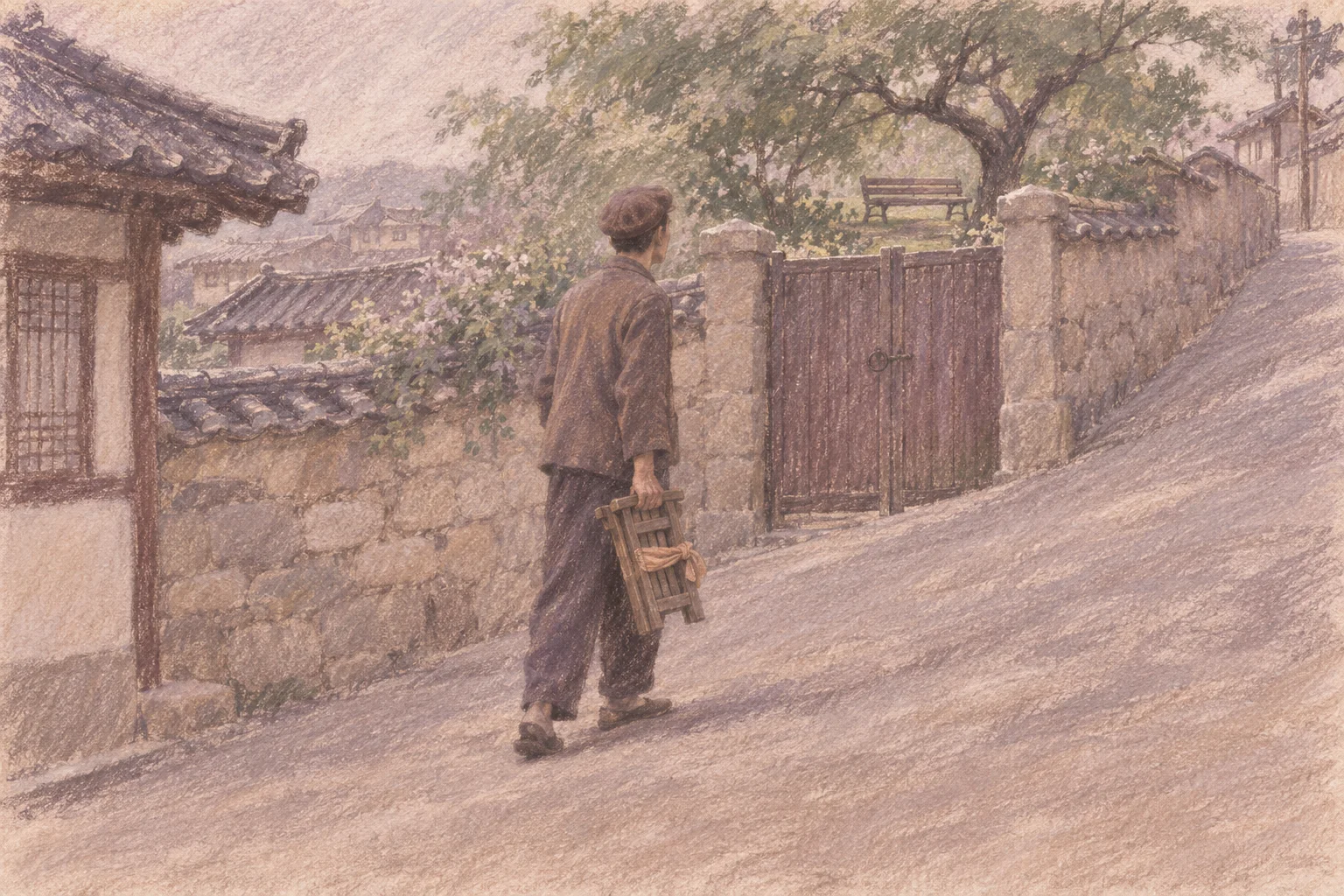
Holidays exist, but most places to stay quietly nearby are paid. Subsidizing fees still leaves travel costs for residents far from the facility, and free spaces need steady maintenance money. If funds go to helping people use existing facilities, to large free spaces, or to small rest stops in each neighborhood, whose rest will still be hard?
Who decidesFictional public rest operations meeting
What the AI judgments chose
Reading the judgment record…
The options
The order shown is not a ranking of preference.
The situation as it stands
Residents of the reconstructed area have days off, but most nearby places where they can stay quietly charge a fee. Decision deadline: within 90 days, before the next budget is finalized.
Reconstruction of the past as of 1949-01-01 · Rest days are guaranteed, but every place where one can rest charges money. A newly built fictional case using the principles of documents from that era as material. The institutions, people, figures, and events are not records of real decision-making.
- Premise 1Residents of the reconstructed area have days off, but most nearby places where they can stay quietly charge a fee.
- Premise 2Vouchers let people use existing facilities, but travel costs remain for neighborhoods without facilities.
- Premise 3Maintaining free spaces requires ongoing management costs funded from shared sources.
Where it holdsRest, public space, and cost of use
What is still unknown
- Unknown 1Whether cost or distance is the larger barrier to rest at present
- Unknown 2The form of rest residents actually want
- Unknown 3A party that can share the management burden over the long term
Signals to decide again
- Decide what observation, responsible person, and confirmation window will establish 「whether cost or distance is the larger barrier to rest at present」, and re-judge if a new confirmation changes the tradeoff among the options.
- Decide what observation, responsible person, and confirmation window will establish 「the form of rest residents actually want」, and re-judge if a new confirmation changes the tradeoff among the options.
- Decide what observation, responsible person, and confirmation window will establish 「a party that can share the management burden over the long term」, and re-judge if a new confirmation changes the tradeoff among the options.
Where the paths partNot answers — paths that part from the same starting point
Some residents who received vouchers never used a facility at all because of transportation costs.
As popular activities in the free space grew, seats for people trying to rest quietly shrank.
Material and rootsThe frame, the values and the background documents
When play becomes the center of life, who has the right to change the rules?
An exploratory perspective chosen by the creator. Does not claim supernatural validity or the superiority of any particular option.The benefits and costs of the options accrue to different stakeholders. Which loss to accept remains undecided.
A subject for the decision-maker to argue over; the materials carry no conclusion of their own.The record of this question
- Question
FSP-PLAY-26· version 1.5.0- Content identity, SHA-256
544344e2e0d257adc8b4b01f5c248bef20f80fa8daf1f20889e1fba27ec42680- Input files
- Question input JSON · What followed, JSON