The years spent guarding the well and the water needed today
2031The near futureDeadline · 12 days until the dry-season water withdrawal agreement
An extension of it
All people, institutions, events, figures, and future technologies in every issue are a synthetic premise. Background documents are sources for topic discovery and are not evidence of future facts or probabilities.
The question to decide
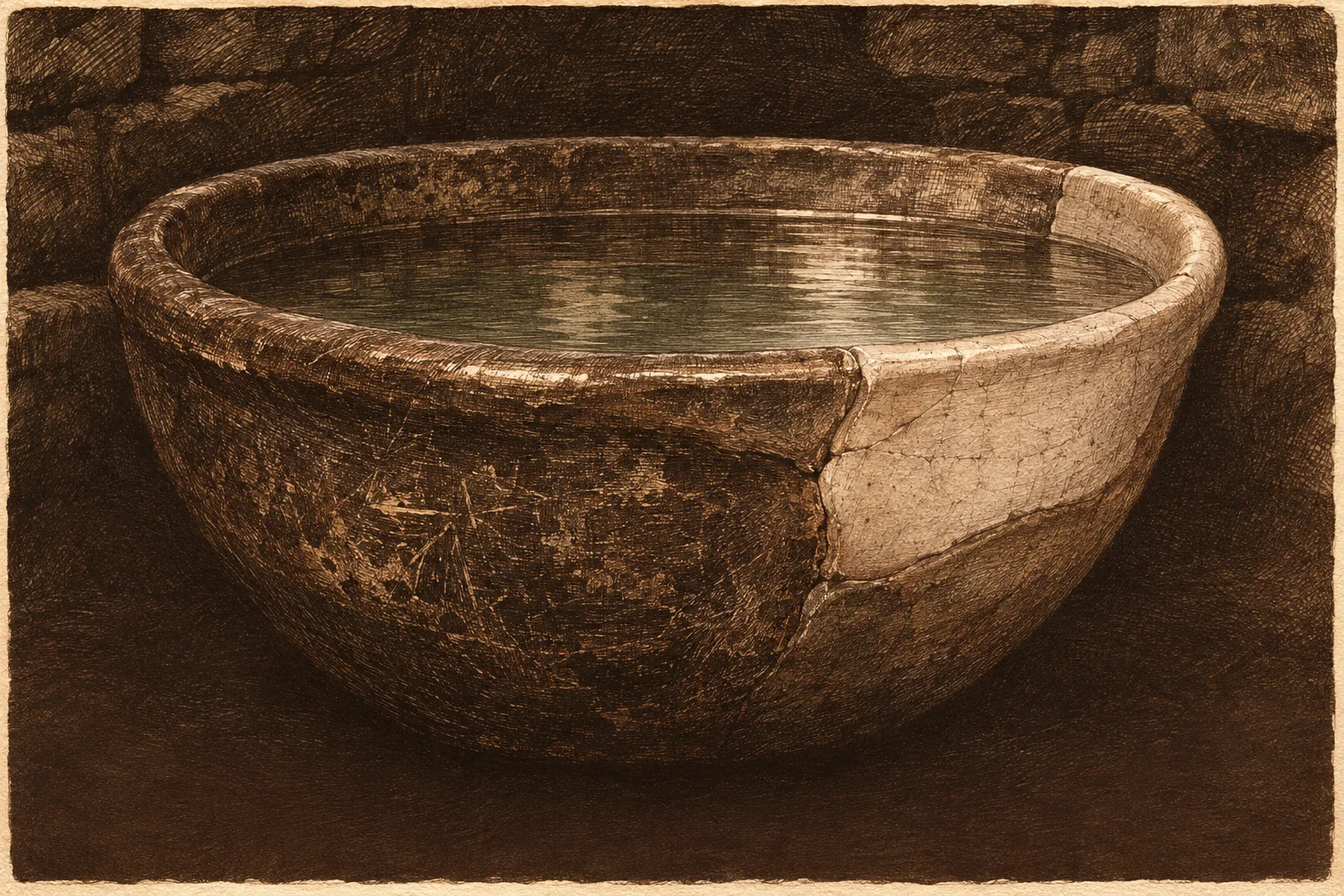
Longtime residents have kept up the common well for decades with money and labor, and new residents who fled the drought also need household water. Dividing by contribution may leave new residents short of a basic amount; following need alone means repricing what past contribution is worth. How should past contribution and present need be reflected in well use rights?
Who decidesCommon Well Users' Meeting
What the AI judgments chose
Reading the judgment record…
The options
The order shown is not a ranking of preference.
The situation as it stands
Households that fled the drought have increased the village's population and domestic water demand. Decision deadline: 12 days until the dry-season withdrawal agreement.
A fictional drought-area resident community
- Premise 1Households that fled the drought have increased the village's population and domestic water demand.
- Premise 2Long-term residents have carried the cost and labor of well repairs for decades.
- Premise 3Digging a new well requires a study of withdrawal impacts and pooled village funds.
Where it holdsSets the withdrawal from the shared well and the maintenance costs. It cannot control residency status or nearby private wells.
What is still unknown
- Unknown 1Amount of groundwater actually sustained during the dry season
- Unknown 2Conditions under which new residents can join long-term maintenance
Signals to decide again
- Decide what observation, owner, and confirmation window can verify the "amount of groundwater actually sustained during the dry season," and re-judge if a new finding changes the trade-offs of the options.
- Decide what observation, owner, and confirmation window can verify the "conditions under which new residents can join long-term maintenance," and re-judge if a new finding changes the trade-offs of the options.
Where the paths partNot answers — paths that part from the same starting point
It turns out that leaks in an existing large-use household have lost a considerable amount of water.
A neighboring village proposes a shared withdrawal network on the condition of labor exchange.
Material and rootsThe frame, the values and the background documents
What does the promise to leave a place to return to require?
An exploratory perspective chosen by the creator. Does not claim supernatural validity or the superiority of any particular option.The benefits and costs of the options accrue to different stakeholders. Which loss to accept remains undecided.
A subject for the decision-maker to argue over; the materials carry no conclusion of their own.The record of this question
- Question
FSP-WATER-04· version 1.2.0- Content identity, SHA-256
1aa6d36ca474c1773a65dd8b9d442d6b135a8fa859b2c5c8f6c8594bb26366e7- Input files
- Question input JSON · What followed, JSON