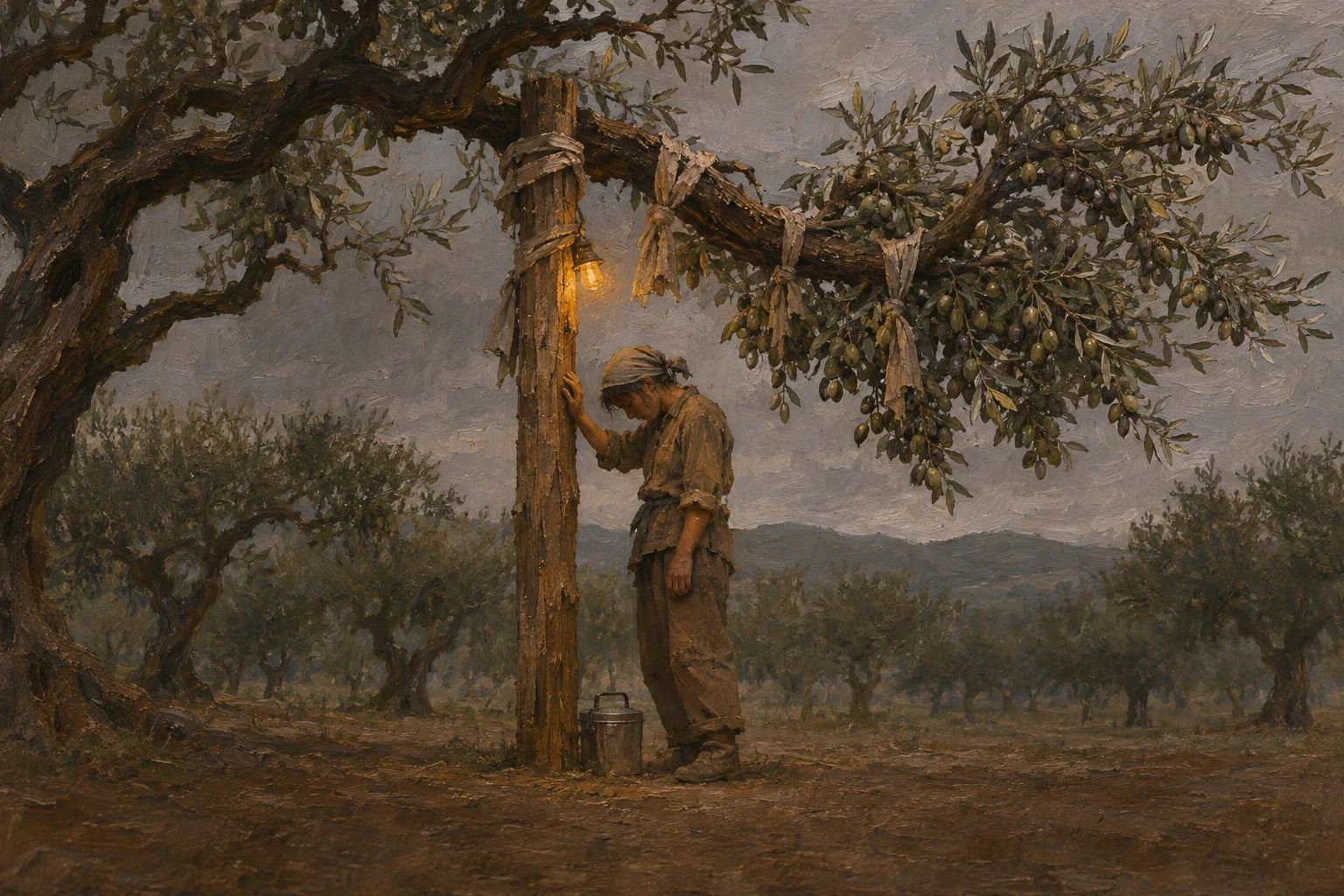
Fatigue accumulates even in night work taken by choice
2026NowDeadline · Within 14 days until the night shift contract
Realistic synthesis
The people, events, figures, and contract terms are a synthetic premise. They are not statements of real cases or of current law. The source documents are the roots of the background and the norms and do not establish the premises of the scenario.
The question to decide
Some staff want night pay to cover living costs; others want to avoid night work. Concentrating on volunteers accumulates the burden and leaves the team vulnerable to absences, while rotating shifts spreads unwanted night work and cutting production reduces income. How should labor and management reflect the staff's differing wishes in night work?
Who decidesFictional production team labor-management meeting
What the AI judgments chose
Reading the judgment record…
The options
The order shown is not a ranking of preference.
The situation as it stands
Some staff want night pay because of living costs, while others want to avoid night work. Decision deadline: within 14 days, before the night shift contract.
2026 synthetic scenario · Staff who want night pay and a team worried about fatigue. The people, organizations, figures, and events are fictional.
- Premise 1Some staff want night pay because of living costs, while others want to avoid night work.
- Premise 2If only volunteers take it, the same people work nights over long periods and the team becomes vulnerable to sudden absences.
- Premise 3If everyone rotates, staff who do not want it also work nights, and cutting night operations lowers team income.
Where it holdsHours, assignment, and recovery conditions for voluntary night work
What is still unknown
- Unknown 1The extent to which willingness can be distinguished from economic pressure
- Unknown 2A procedure for checking accumulated fatigue
- Unknown 3Income and the team's alternatives when someone stops night work
Signals to decide again
- Decide what observation, owner, and confirmation channel will verify 'the extent to which willingness can be distinguished from economic pressure,' and re-judge when a new confirmation changes the tradeoffs of the options.
- Decide what observation, owner, and confirmation channel will verify 'a procedure for checking accumulated fatigue,' and re-judge when a new confirmation changes the tradeoffs of the options.
- Decide what observation, owner, and confirmation channel will verify 'income and the team's alternatives when someone stops night work,' and re-judge when a new confirmation changes the tradeoffs of the options.
Where the paths partNot answers — paths that part from the same starting point
A key volunteer requested an immediate switch to day shifts for family reasons.
A client said it would accept lower night output but would lower the unit price it pays.
Material and rootsThe frame, the values and the background documents
How does the community justify time not worked?
An exploratory perspective chosen by the creator. Does not claim supernatural validity or the superiority of any particular option.The benefits and costs of the options accrue to different stakeholders. Which loss to accept remains undecided.
A subject for the decision-maker to argue over; the materials carry no conclusion of their own.The record of this question
- Question
FSP-WORK-16· version 1.5.0- Content identity, SHA-256
d1c27a3a67d2ad5b4af358a3186b1392d6330d88f6470798381fb119c7c19aed- Input files
- Question input JSON · What followed, JSON